 how-to
How to Order Uniforms Without Errors: A 2026 Guide
Table of Contents
- How to Order Uniforms Without Errors: The Complete Process
- Step 1: Gather Your Team and Define Requirements
- Step 2: Create a Staff Uniform Sizing Guide
- Step 3: How to Choose Durable Workwear Fabrics
- Step 4: Plan Logo Placement and Uniform Embroidery and Printing Specifications
- Step 5: Use a Custom Uniform Order Checklist
- Step 6: Manage Bulk Order Logistics and Inventory
- Common Mistakes to Avoid When Ordering Uniforms
Last Updated: August 13, 2026
How to Order Uniforms Without Errors: The Complete Process
Ordering uniforms for a team sounds straightforward until you're managing sizing discrepancies, colour mismatches, delivery delays, and staff complaints about fit. A structured approach to how to order uniforms without errors prevents costly mistakes that ripple through your operation for months.
At Workwear East, we've worked with construction firms, trade companies, and corporate teams across the region who've learned this the hard way. The difference between a smooth order and a chaotic one comes down to planning, communication, and using the right systems upfront.
Step 1: Gather Your Team and Define Requirements
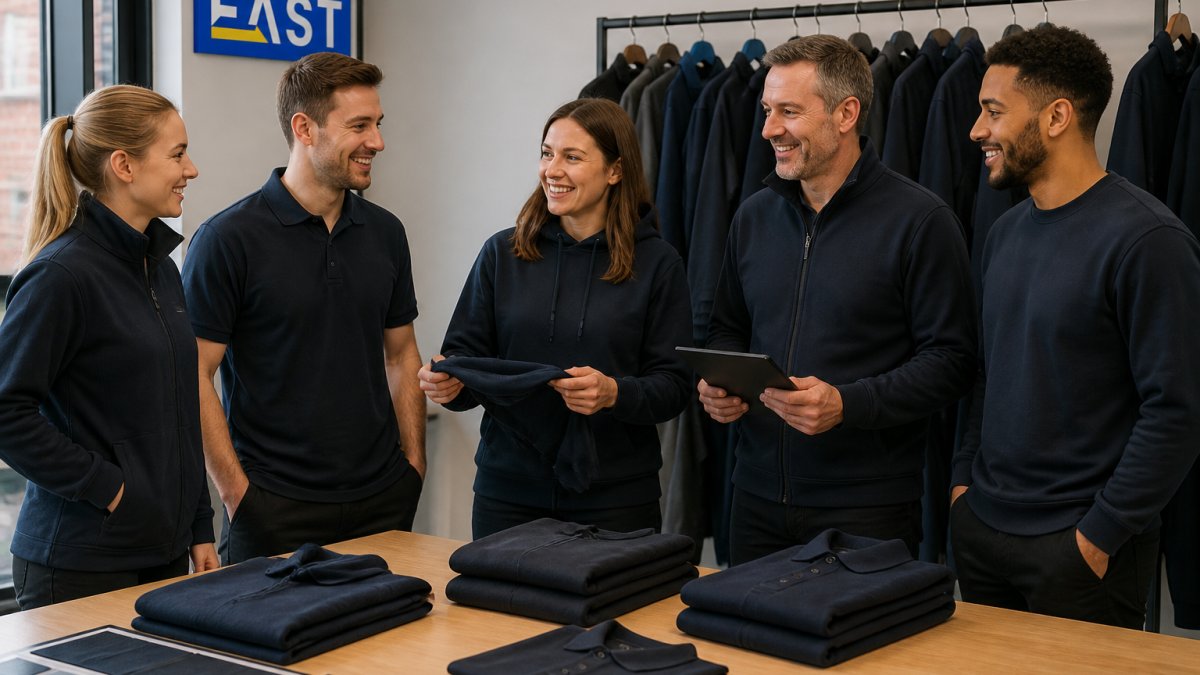
Before contacting a supplier, you need clarity on what you're actually ordering. Bring together the people who will wear the uniforms, the managers who oversee them, and anyone responsible for brand consistency.
Document three things: the roles that need uniforms, the environments they'll work in, and your brand guidelines. A construction worker needs different fabric durability and safety features than an office-based administrator. Create a simple spreadsheet listing each department or role, the number of staff, and the specific use case. Include details like whether staff work in wet conditions, handle machinery, or need high-visibility elements.
Involve your team early. Ask staff what they dislike about their current uniforms. When employees feel heard, they're more invested in the final order and less likely to reject the uniforms when they arrive.
Step 2: Create a Staff Uniform Sizing Guide
Sizing mistakes are expensive because they create returns, re-orders, staff wearing ill-fitting garments, and damage to your professional appearance.
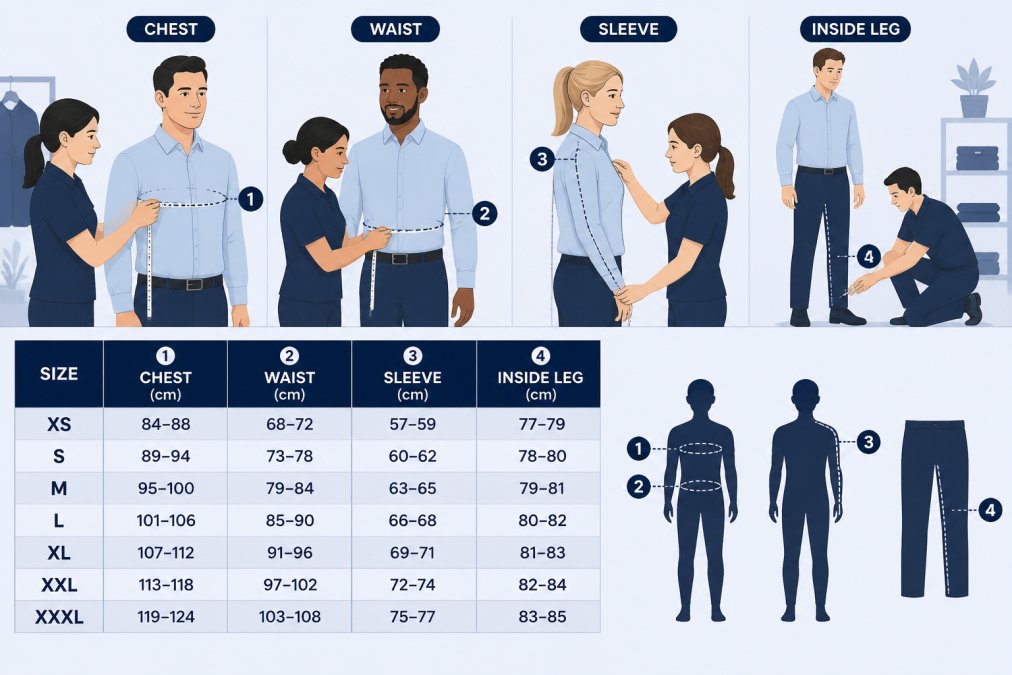
Rather than asking staff to select their own sizes, implement a structured measurement process. Provide a clear sizing guide that shows how to measure chest, waist, sleeve length, and inseam. The best approach is to have one person take measurements for everyone, ensuring consistency. Workwear East can guide you through this process or provide measurement templates you can use internally.
Measuring accurately across departments
Different roles may need different fits. Measure each person while wearing the type of clothing they'd normally wear under their uniform. Record measurements in a centralised document with columns for name, role, chest, waist, sleeve, inseam, and fit preferences. When you provide measurements to your supplier, include a note about the intended use so they can recommend appropriate adjustments.
Accounting for gender-specific fit and inclusive sizing
Uniforms that don't fit properly damage morale and brand perception. Choose a supplier who offers genuine sizing variety: standard, slim, and relaxed cuts. Ask your team about fit preferences before ordering. Document any feedback about fit and feed this back to your supplier for future refinement.
Step 3: How to Choose Durable Workwear Fabrics
The fabric you choose determines how long your uniforms last and how they perform in your specific environment. Understanding fabric durability starts with knowing your working conditions.
Understanding fabric durability and garment specifications
Cotton is breathable and comfortable but can shrink and fade. Polyester resists fading and shrinking but can feel less comfortable in hot conditions. Blends typically offer a balance: durability of polyester with comfort of cotton.
For workwear, look for fabric weight measured in grams per square metre. Heavier fabrics (above 200 gsm) typically last longer but may be less comfortable in warm conditions. Check stitching quality, reinforced seams at stress points prevent premature failure. Double-stitched seams last significantly longer than single-stitched ones.
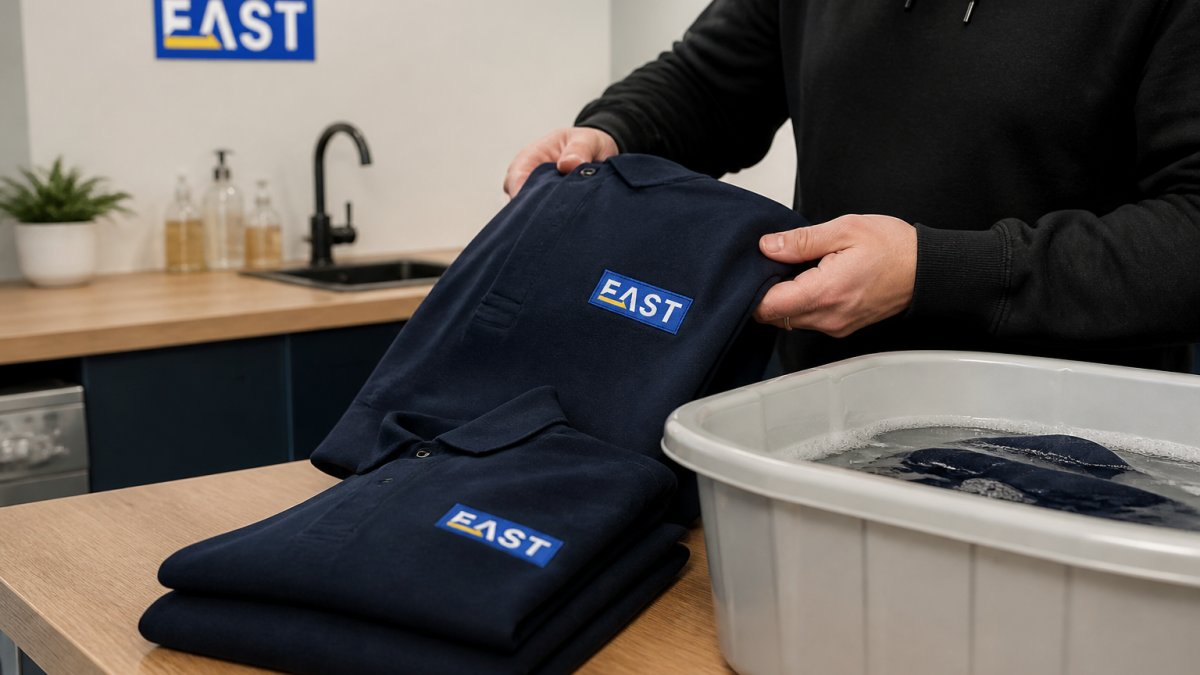
Ask your supplier about fabric testing standards. Reputable suppliers conduct wash tests to ensure colours remain vibrant and garments maintain their shape after repeated washing.
Step 4: Plan Logo Placement and Uniform Embroidery and Printing Specifications
Your logo is the most visible part of your uniform branding. Placement and quality directly affect how professional your team appears.
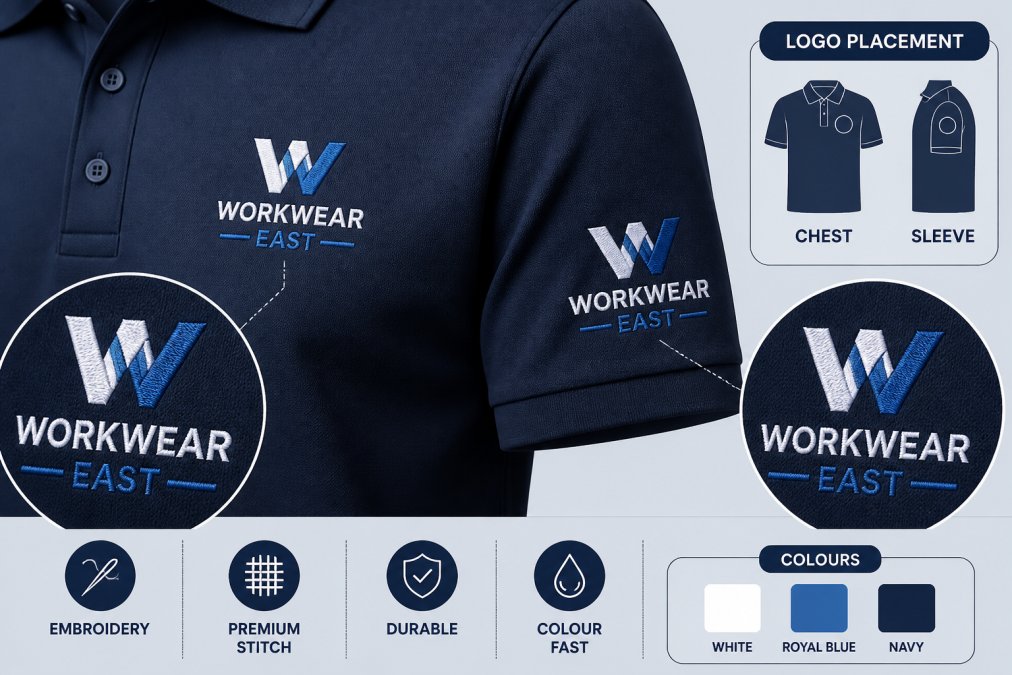
Embroidery creates a three-dimensional, durable finish that looks premium and withstands repeated washing. Screen printing offers full-colour detail for complex designs. DTF printing (direct-to-film) combines the detail of screen printing with the durability of embroidery, making it ideal for intricate, multi-colour logos.
Decide on placement before you order. Most workwear features logos on the chest, sleeve, or back. Consider visibility in your working environment, if staff are seated most of the time, chest placement works well; if they're moving around, sleeve or back placement ensures visibility from multiple angles.
Design approval and colour matching
Specify colours using industry standards like Pantone codes rather than RGB values. This ensures your supplier produces the exact shade you want. Request a physical sample before committing to a full order. A sample allows you to see how your logo looks on the actual fabric in natural lighting.
Document your approved colour specifications, including Pantone codes, any special finishes, and placement measurements. This documentation becomes your quality reference for future orders.
Proof approval processes
Always request a digital proof showing your logo placement, size, and colours before production begins. Establish a formal approval process with sign-off from someone authorised to make decisions. Once you've approved a proof, treat it as locked. If you're ordering multiple garment types, request separate proofs for each to ensure consistency.
Step 5: Use a Custom Uniform Order Checklist
A structured custom uniform order checklist prevents oversights that derail your entire project. Your checklist should include:
- Total quantity required, broken down by size and style
- Fabric type, weight (gsm), and fibre content confirmed
- Colour specifications with Pantone codes for base garments
- Logo design files in high resolution (minimum 300 dpi)
- Logo placement measurements and approved proof
- Embroidery or printing method selected
- Colour specifications for logo with Pantone codes
- Delivery date required and confirmed lead time
- Delivery address and contact information
- Staff feedback on fit preferences documented
- Budget and payment terms agreed
- Sample approval completed (if applicable)
- Quality standards and inspection criteria defined
This checklist ensures you've thought through every detail before contacting a supplier. When you contact Workwear East, provide this completed checklist upfront. It demonstrates professionalism, accelerates the quoting process, and sets clear expectations.
Step 6: Manage Bulk Order Logistics and Inventory
Once you've placed your order, the logistics phase begins. Communication and planning prevent delays and distribution problems.
Lead times and seasonal demand planning
Lead times vary depending on complexity and supplier capacity. Simple orders might take 2-3 weeks; complex orders with custom embroidery can take 4-8 weeks. Always confirm lead times in writing before you commit.
Plan for seasonal demand. If you need uniforms for summer outdoor work, order during winter when suppliers have more capacity. Build in a buffer, if you need uniforms by a specific date, order with a lead time that gives you at least two weeks of cushion.
Establish a communication schedule with your supplier. Confirm production has started, request updates at key milestones, and confirm shipping details before dispatch.
Managing distribution across multiple departments
If you're ordering for multiple departments or locations, plan your distribution strategy before uniforms arrive. Create a distribution log showing which staff received which garments and when.
If distributing across multiple locations, consider having uniforms delivered to a central point first for quality inspection. This allows you to catch any issues before garments reach staff. Communicate delivery dates to staff in advance so they're prepared for the transition.
Common Mistakes to Avoid When Ordering Uniforms
Skipping the sample stage. Ordering full quantities without seeing a sample is gambling. A sample reveals issues with colour, fit, or printing quality before you've invested in hundreds of garments.
Not involving staff in sizing. Assuming everyone knows their size leads to widespread fit issues. Take actual measurements rather than relying on self-reported sizes.
Choosing fabric based on price alone. Poor-quality fabric fades, shrinks, and tears, forcing expensive replacements. Invest in mid-range or premium fabrics that last.
Unclear logo specifications. Vague instructions create confusion and mistakes. Use Pantone codes, measurement specifications, and approved proofs to eliminate ambiguity.
Ignoring lead times. Ordering too close to when you need uniforms creates stress and limits your options. Build in adequate lead time and plan for seasonal demand.
Poor communication with your supplier. Provide detailed specifications, ask questions, and maintain regular contact. Clear communication prevents most errors.
Failing to document specifications. Record sizing, colours, and logo details so your next order doesn't start from scratch. Create a documentation system that captures all relevant information.
Overlooking inclusive sizing. Ordering only standard sizes means some staff receive ill-fitting uniforms. Offer multiple fit options to accommodate different body types.
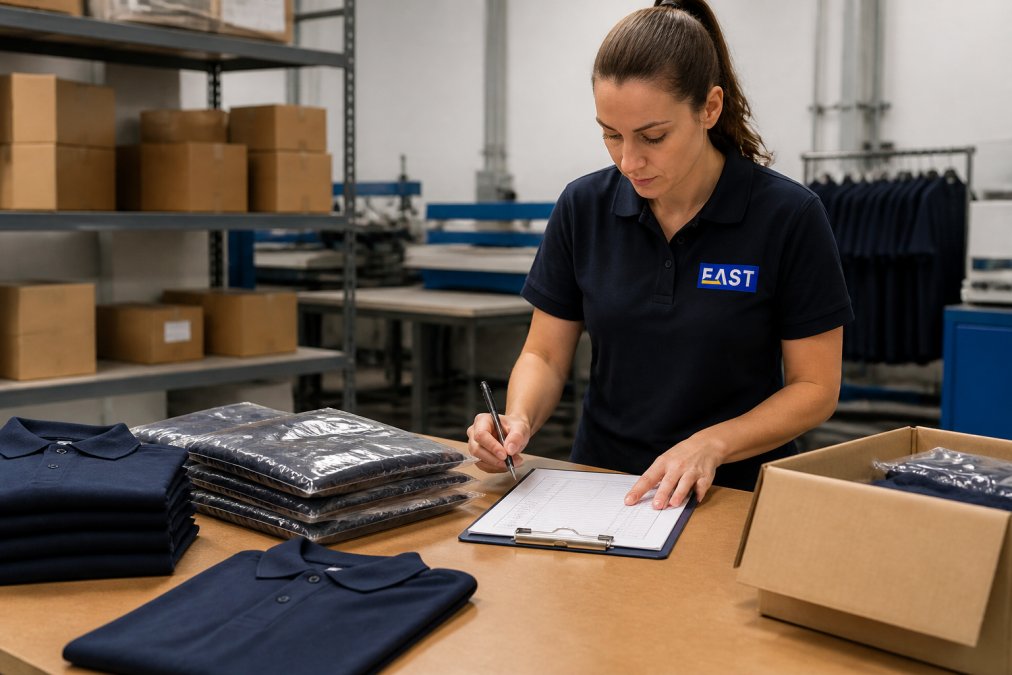
Not requesting quality inspections. Before uniforms leave your supplier, ask for quality checks. Inspect seams, print quality, and colour accuracy. Catching defects before delivery is far better than discovering them after distribution.
Treating uniforms as one-time purchases. Uniforms need regular replacement as they wear. Plan for ongoing inventory management and establish a replacement schedule based on your environment and usage patterns.
Ordering uniforms without errors requires upfront planning, clear communication, and structured processes. The steps outlined here, gathering requirements, measuring accurately, selecting appropriate fabrics, specifying logo details, using a checklist, and managing logistics, eliminate the chaos that typically surrounds uniform orders.
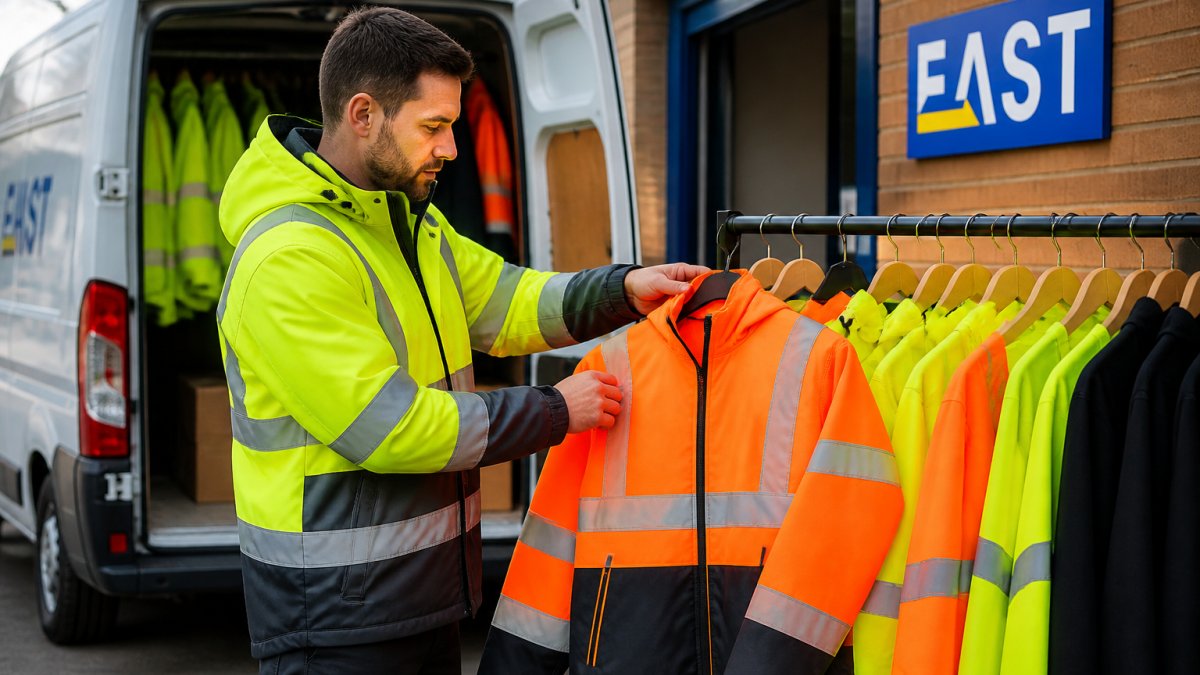
When you're ready to move forward, Workwear East can guide you through this entire process. Our team specialises in helping businesses order custom uniforms that reflect their brand while meeting the durability demands of real work environments. Whether you're looking for Branded Polo shirts, Workwear Bundles, or Hi-Vis options, we use advanced embroidery machines for intricate designs, versatile DTF printing for detailed full-colour images, and cost-effective screen printing for large orders. We also offer a Workwear Portal to streamline your ordering process.
To discuss your uniform requirements and get a tailored quote, email info@workweareast.co.uk, or visit workweareast.co.uk to explore our range of customisation options. Our local team in Thetford, Norfolk is ready to help you avoid these common mistakes and deliver uniforms your team will wear with pride.
Frequently Asked Questions
What are the most common mistakes when ordering staff uniforms?
The biggest errors occur during sizing, design approval, and lead-time planning. Many teams skip individual measurements and rely on standard sizes, resulting in poor fit. Others fail to request proof approval before production, leading to colour mismatches or logo placement errors. Not accounting for seasonal demand or bulk order logistics causes delays and inventory problems. Using a custom uniform order checklist and involving staff feedback in the selection process prevents most of these issues.
How do I ensure accurate sizing when ordering uniforms for a team?
Measure each team member individually using a consistent staff uniform sizing guide. Record chest, waist, sleeve length, and inseam measurements. Account for gender-specific fit options and inclusive sizing to ensure all employees feel comfortable and professional. Request sample garments before placing a bulk order, and have staff try them on to verify fit across different body types and roles. This testing protocol prevents costly sizing errors and returns.
What information should I prepare before contacting a uniform supplier?
Prepare a custom uniform order checklist including: the number of staff and their measurements, garment types and quantities needed, logo or design files, preferred colours, fabric durability requirements, lead time needed, and budget expectations. Document any special requirements such as hi-vis safety compliance or embroidery specifications. Having this information ready speeds up the procurement process and reduces back-and-forth communication. Email info@workweareast for a quote with all these details.
How can I verify the quality of fabrics before placing a bulk order?
Request sample garments in the fabrics you're considering, then wash and wear them for at least two weeks. Check for shrinkage, colour fading, and seam integrity. Understand the technical specifications of the fabric, including weight, composition, and care instructions. Ask your supplier about textile standards and durability guarantees. This sample testing protocol ensures your team's uniforms will withstand daily wear and maintain a professional appearance throughout their lifespan.
This article was written using GrandRanker