 how-to
How to Prevent Logo Peeling on Workwear
Table of Contents
- Why Logo Peeling Happens on Workwear
- Best Practices for Washing Printed Uniforms
- Drying Methods and Heat Avoidance
- How to Iron Printed Workwear Safely
- Embroidery vs Screen Printing Durability
- How to Remove Ink Stains from Work Shirts
- Storage and Folding for Long-Term Logo Protection
- Fixing Peeling Logos with an Iron
Last Updated: August 23, 2026
Why Logo Peeling Happens on Workwear
Printed logos peel from workwear when the bond between ink and fabric breaks down under stress. Heat, friction, or chemical exposure weakens the adhesive layer holding the print to the garment. Understanding these root causes helps you prevent peeling before it starts.
The most common culprit is improper washing. High temperatures and aggressive mechanical agitation create friction that lifts print edges. Harsh detergents can degrade adhesive, especially if the print wasn't properly cured during production. Different printing methods fail differently: screen printing cracks under repeated flexing, DTF printing bonds more strongly but still requires careful washing, and heat transfer vinyl fails when exposed to temperatures above 60°C. Storage habits matter too, tight creases across logos create stress points where ink separates, and humidity fluctuations cause fabric and ink to expand at different rates, breaking the bond.
Best Practices for Washing Printed Uniforms
The difference between workwear that lasts and workwear that fails comes down to washing technique.
Washing inside out
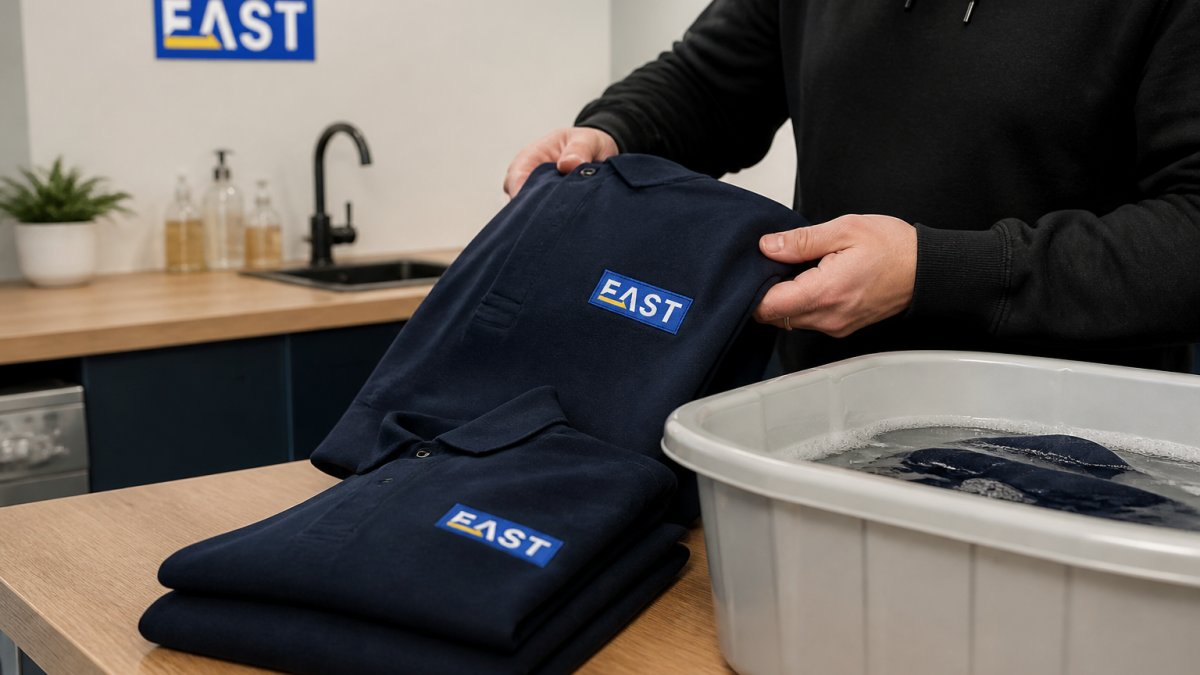
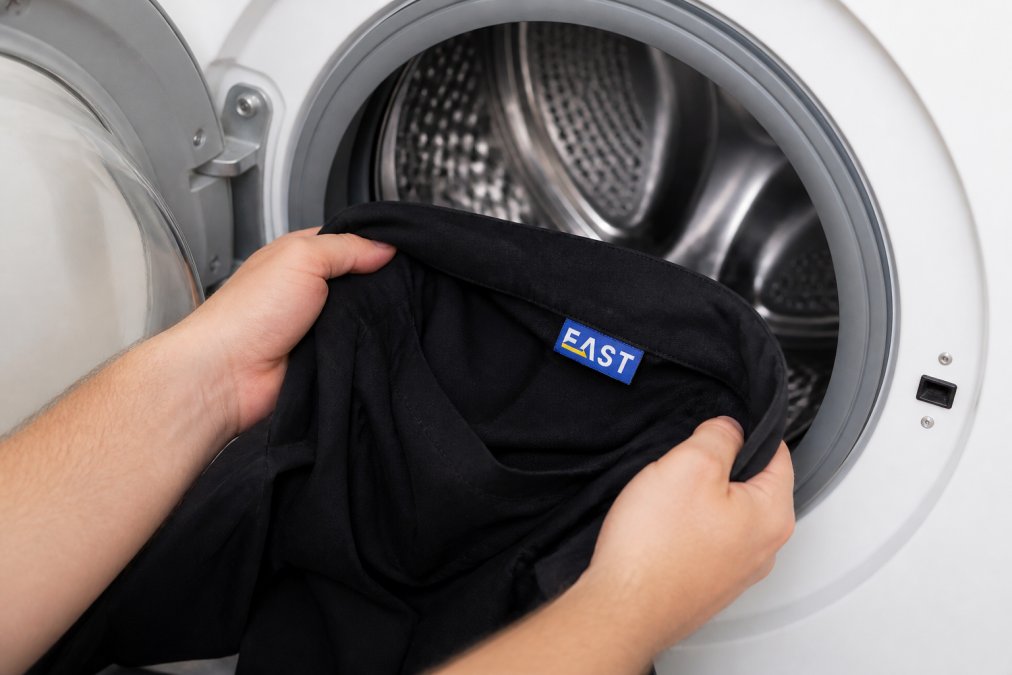
Turn printed uniforms inside out before every wash. This reduces direct contact between the print and washing machine surfaces, minimising friction during the spin cycle. Place uniforms in a mesh washing bag for additional protection, especially in commercial laundry settings.
Temperature control for washing
Wash printed workwear in cold water, below 30°C ([EXTERNAL_LINK: guidance on laundry temperatures from the NHS | nhs.uk]). Heat accelerates adhesive breakdown and can cause heat transfer vinyl to separate. Cold water removes dirt and sweat effectively while preserving print integrity. Check the care label instructions, they specify the maximum safe temperature for that particular print type.
Detergent selection and application
Use mild, fragrance-free detergent designed for delicate fabrics. Enzyme-based and heavy-duty detergents contain surfactants that degrade adhesive. Apply detergent sparingly and follow manufacturer dosage recommendations, reducing by 25 percent for printed workwear. Never use bleach or oxygen-based stain removers on printed uniforms.
Drying Methods and Heat Avoidance
Hang uniforms to dry rather than using a tumble dryer. Mechanical tumbling and heat accelerate peeling. If you must use a dryer, select the lowest heat setting and keep drying time under 20 minutes, removing items immediately when the cycle ends.
Avoid direct sunlight and heat sources like radiators. Prolonged UV exposure fades ink and weakens adhesive. Dry indoors in a well-ventilated space or in shade.
How to Iron Printed Workwear Safely
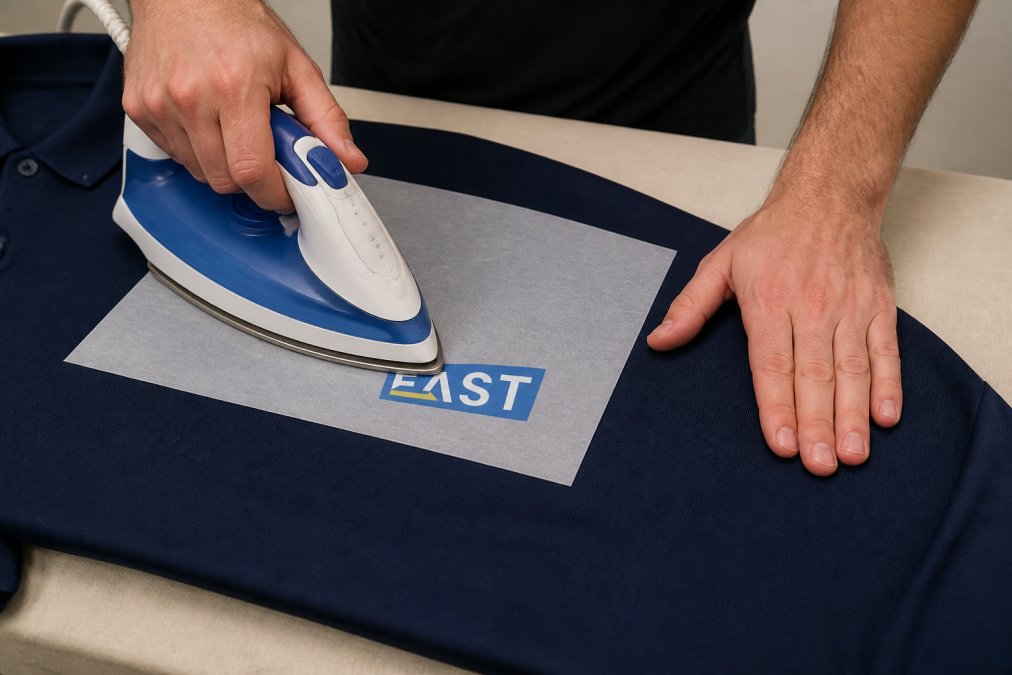
Use parchment paper or a pressing cloth as a heat shield between the iron and print. Set the iron to low temperature, no higher than 120°C (check garment care labels for specific recommendations). Iron the back of the garment when possible, or iron the printed side only with protection in place. Keep contact brief, no more than 5 seconds per spot.
Embroidery vs Screen Printing Durability
Embroidered logos outlast printed ones in most scenarios. Embroidery uses thread stitched directly into fabric, creating a mechanical bond that doesn't rely on adhesive. Embroidered workwear survives hundreds of wash cycles with minimal degradation, making it ideal for uniforms needing to last years.
Screen printing applies ink directly to the fabric surface, creating a thinner layer. The adhesive bond is more vulnerable to washing, heat, and friction than thread. Screen-printed workwear typically lasts 50-100 washes before visible peeling appears ([EXTERNAL_LINK: academic research on textile printing durability | ncbi.nlm.nih.gov]).
DTF printing sits between the two in durability, surviving 100-150 washes with proper care while offering better colour vibrancy and detail. Heat transfer vinyl is the least durable, lasting 30-50 washes, though it's cost-effective for small orders.
For workwear enduring heavy use and frequent washing, embroidery is most reliable. For large orders where cost matters, screen printing offers good durability. When building your team's uniform strategy, Workwear Bundles allow you to combine different garment types and printing methods, letting you choose embroidery for core items and screen printing for seasonal pieces based on durability needs and budget.
How to Remove Ink Stains from Work Shirts
Blot stains immediately with a clean, dry cloth, don't rub. Rinse the stained area under cold running water, holding the shirt so water flows through the fabric away from the stain. Apply mild soap directly to the stain, work it gently into the fabric, and let it sit for 10-15 minutes before rinsing again.
For stubborn stains, soak the entire garment in cold water with a delicate-fabric stain remover for 2-4 hours, then wash normally in cold water. Never use hot water on ink stains, as heat sets them permanently. If stains persist, take the shirt to professional dry cleaning.
Storage and Folding for Long-Term Logo Protection
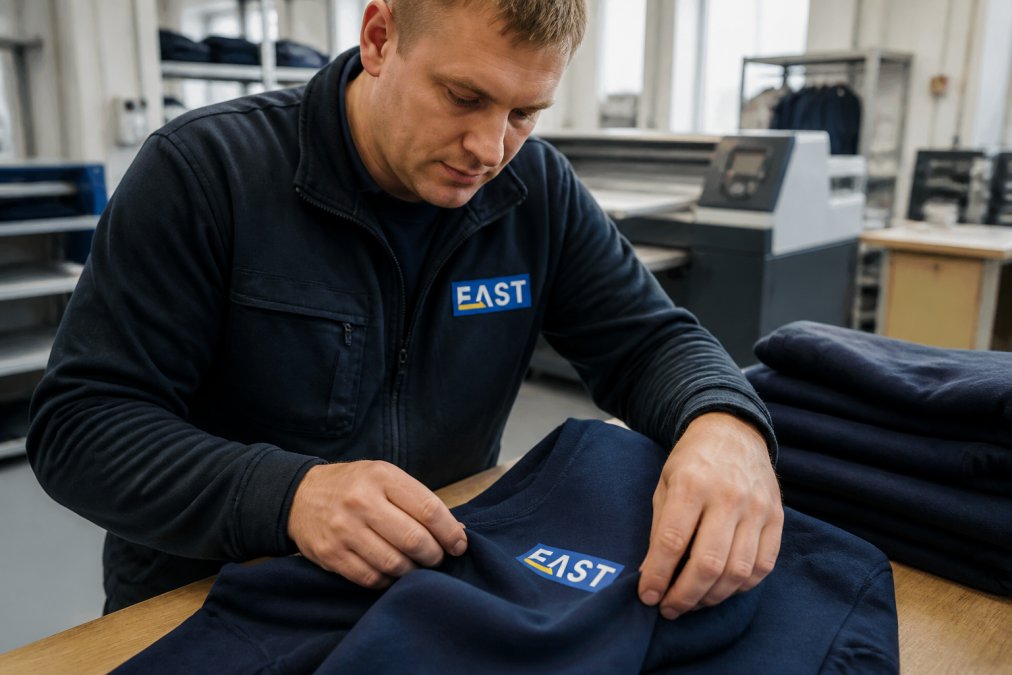
Fold uniforms loosely rather than using tight creases. Tight folds create repeated stress lines across fabric and print. Instead, fold the garment in thirds lengthwise, then loosely roll it.
Store printed workwear in a cool, dry environment away from direct sunlight. A temperature range of 15-20°C with 40-50% humidity is ideal. Use plastic storage containers or breathable cotton bags rather than airtight plastic, which traps moisture and accelerates mildew growth.
Avoid hanging printed uniforms on wire hangers for extended periods. Use padded hangers for long-term storage, or fold and store flat. Rotate your uniform stock so older items get washed and worn regularly, regular use extends print longevity compared to long-term storage.
Fixing Peeling Logos with an Iron
If a logo has begun peeling at the edges, you can sometimes reattach it using heat, though this works only for certain print types and only if damage is minor. This method works best for heat transfer vinyl and DTF prints, where adhesive can be reactivated by gentle heat.
Clean the area thoroughly first, removing any lint or debris. Place parchment paper over the peeling area and press gently with an iron set to 110-120°C for 10-15 seconds. Allow the area to cool completely before touching it.
This repair is temporary and may extend the print's life by a few more washes, but won't restore original durability. Once peeling has started, the underlying adhesive has already degraded. For extensive peeling, replacement is more cost-effective than repair.
Logo peeling compromises professional appearance and forces frequent uniform replacement. Most peeling is preventable with proper washing, drying, and storage. By following these practices, you'll extend printed workwear lifespan significantly.
For new uniforms that avoid peeling problems, choose embroidered logos or DTF printing from a supplier understanding workwear durability requirements. Workwear East offers both methods with rigorous quality control ensuring uniforms survive years of heavy use. Email info@workweareast.co.uk for a quote on durable, branded workwear tailored to your team's needs, or visit https://www.workweareast.co.uk/.
Frequently Asked Questions
What is the best way to wash printed workwear to prevent peeling?
Wash printed workwear inside out in cold water on a gentle cycle to prevent logo peeling. Use mild laundry detergent and avoid bleach or fabric softener, which can weaken adhesive bonds. Wash with similar colours to reduce friction, and never wring the garment. Air dry or tumble dry on low heat. These practices protect heat transfer vinyl, direct to film, and screen printing from cracking and delamination.
Can I tumble dry clothes with printed logos?
Yes, but only on low heat. High temperatures cause thermal damage to printed logos, leading to adhesive failure and peeling. Tumble dry low is safer than high heat settings. For maximum durability, hang dry or air dry instead. If you must use a tumble dryer, remove garments promptly when the cycle ends to avoid prolonged heat exposure that accelerates fabric degradation.
Is embroidery more durable than screen printing for workwear?
Embroidery and screen printing offer different durability profiles. Embroidery uses thread stitched directly into fabric, making it highly resistant to mechanical friction and washing. Screen printing applies ink to the surface, which can crack or peel with repeated washing and heat exposure. For workwear subjected to daily wear and frequent laundering, embroidery typically outlasts screen printing. Direct to film and heat transfer vinyl fall between these two in durability, depending on garment care.
How should I store workwear to protect the logo integrity?
Store workwear in a cool, dry place away from direct sunlight, which fades prints over time. Fold garments carefully along natural seams rather than across printed logos to avoid creasing the design. Avoid hanging printed items on sharp hooks or hangers that create stress points. Store embroidered workwear flat or folded to prevent thread tension issues. Keep uniforms away from damp environments that promote mildew and fabric degradation. Proper storage extends print longevity between washes.
This article was written using GrandRanker