 how-to
Prevent Screen Print Cracking on Uniforms
Table of Contents
- Why Screen Print Cracking Happens on Uniforms
- Pre-Wash Preparation to Protect Your Screen Printed Uniforms
- How to Wash Screen Printed Shirts Without Damaging the Design
- Drying Methods That Prevent Screen Print Cracking
- How to Iron Screen Printed Garments Safely
- Storage and Long-Term Care for Screen Printed Workwear
- Repairing Existing Cracks in Screen Printed Uniforms
- Frequently Asked Questions
Last Updated: September 30, 2026
Why Screen Print Cracking Happens on Uniforms
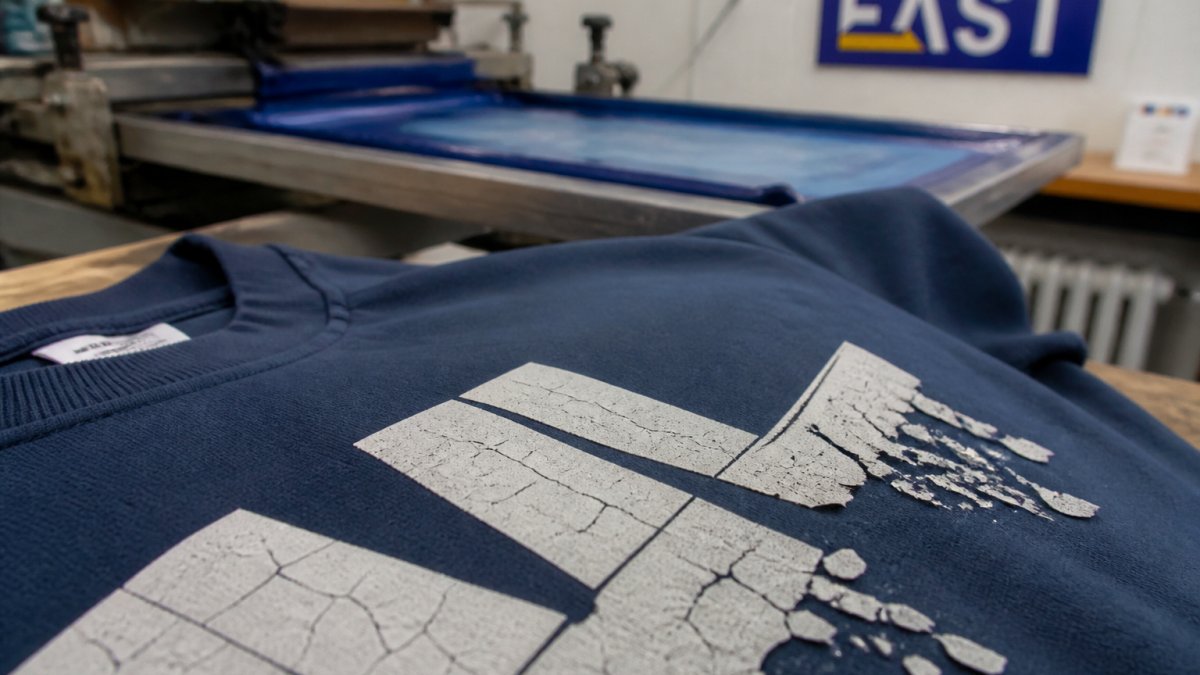
Screen print cracking occurs when the ink layer fractures due to a mismatch between the ink's rigidity and the fabric's flexibility. Screen printed ink, especially plastisol-based inks, forms a stiff layer on top of the fabric. When the garment flexes, stretches, or experiences heat during washing, drying, and wear, the ink cannot move with it, causing visible cracks that spread over time.
The damage is preventable. Most cracking happens during washing and drying, not during normal wear. Proper care extends uniform lifespan significantly.
Pre-Wash Preparation to Protect Your Screen Printed Uniforms
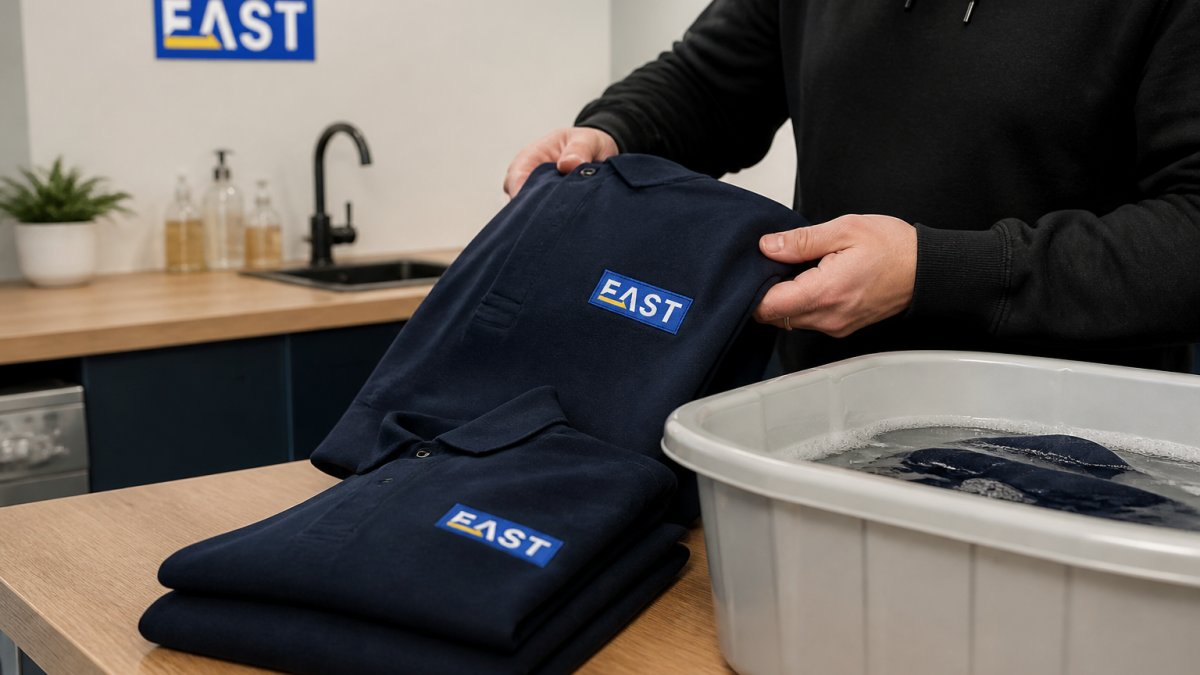
Turn the garment inside out. This protects the screen printed design from direct contact with other clothes, the washing machine drum, and agitation.
Zip up any zippers and button closures. Loose metal components can snag the printed area and cause small tears that spread into larger cracks. Velcro should be fastened to prevent it from catching on the ink layer.
Check for existing damage. Small cracks or peeling edges should be addressed before washing, as the wash cycle will worsen them.
How to Wash Screen Printed Shirts Without Damaging the Design
Use cold water. Hot water accelerates thermal degradation of the ink and weakens the bond between ink and fabric. Cold water protects the print while removing dirt and stains effectively.
Select a mild, fragrance-free detergent designed for delicate fabrics. Avoid bleach, which chemically attacks the ink layer and causes rapid fading and cracking.
Run a gentle cycle, not heavy duty. Gentle cycles use less agitation and shorter spin times, preserving the print. Heavy duty cycles create excessive mechanical stress that causes the rigid ink layer to crack.
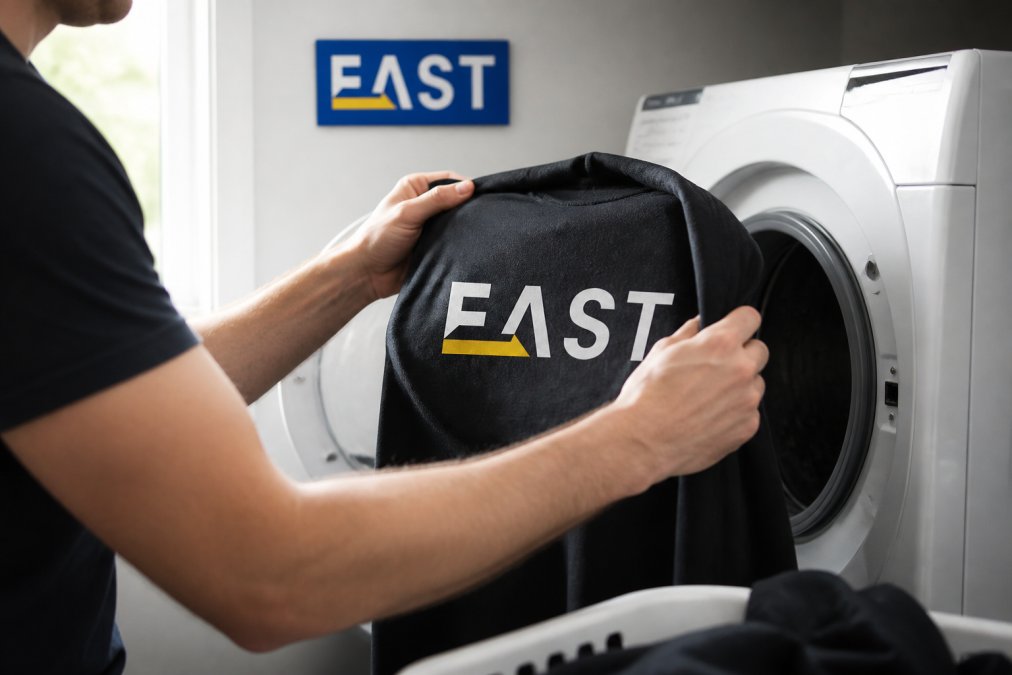
Load the machine loosely. A half-full drum is ideal for screen printed items, allowing water to circulate freely and reducing friction.
Avoid fabric softener and dryer sheets. These products coat the fabric surface and can cause the ink to peel or crack. They also reduce the fabric's ability to absorb moisture, trapping water near the print.
Drying Methods That Prevent Screen Print Cracking
Drying is where many uniforms suffer preventable damage. Heat and mechanical tumbling cause different types of cracking.
The two damage mechanisms:
Mechanical stress from tumbling flexes the fabric repeatedly, forcing the rigid ink layer to bend with it. Each tumble cycle creates micro-fractures that accumulate into visible cracks, regardless of temperature.
Excessive heat (above 60°C) over-hardens plastisol ink, making it brittle and prone to cracking. Polyester blends are particularly sensitive because the fabric shrinks under high heat, creating additional stress on the ink layer.
Air drying (best option):
Hang the uniform on a line or lay it flat on a clean surface. This eliminates mechanical stress and allows the ink to cure naturally. Ensure adequate air circulation to prevent moisture pooling near the print.
Machine drying on low heat (acceptable but risky):
If air drying is not practical, use a tumble dryer on the lowest heat setting available (typically 30-40°C). Even low heat poses cumulative risk; damage becomes visible by the tenth wash-dry cycle.
Run the dryer for 20-30 minutes only, then remove the garment while still slightly damp to prevent over-hardening. Finish drying by hanging or laying flat.
Fabric-specific considerations:
Cotton uniforms tolerate low-heat drying better than polyester blends. Polyester-cotton blends shrink 2-5% at temperatures above 50°C, stressing the ink layer. If your uniforms are polyester-blend, air drying is strongly recommended.
Heavy-weight fabrics (12 oz or above) retain moisture longer and may require slightly longer drying times, but this should still be achieved on low heat or by air drying rather than extended high-heat cycles.
Removing items promptly:
Once the cycle ends, remove garments immediately. Leaving damp items in the dryer allows wrinkles to set and traps moisture near the print, which can cause mildew and ink degradation. If wrinkles appear, use a cool iron on the reverse side rather than re-drying.
How to Iron Screen Printed Garments Safely
Ironing introduces direct, concentrated heat to the print, a risk many teams avoid by simply not ironing screen printed uniforms. However, if professional appearance requires it, understanding ink behaviour under heat is essential.
Why ironing is risky:
Plastisol-based inks (the most common type for workwear) cure through time and ambient heat, not through high-temperature baking. Once cured, the ink forms a polymer layer that sits on top of the fabric. When you apply an iron directly to this layer, you reactivate the plastisol slightly, softening it. If the fabric underneath shrinks or moves while the ink is warm, the ink cracks as it re-hardens in a distorted shape.
Polyester-blend fabrics are especially problematic because they shrink at temperatures above 50°C. If you iron a polyester-cotton blend at 120°C, the fabric shrinks while the ink is still warm and pliable, creating permanent stress lines in the print.
When to avoid ironing altogether:
If your uniforms are worn in industrial or trade settings where wrinkles are expected, skip ironing entirely. The risk of cracking outweighs the benefit of a crisp appearance. Instead, remove garments from the dryer while slightly damp and hang them to finish drying, this naturally releases most wrinkles without heat.
If uniforms are stored folded (as recommended), allow them to air for 30 minutes after removal before wearing. Most wrinkles from storage relax naturally during the first hour of wear.
If ironing is necessary:
Use the lowest heat setting available. Most irons have a 'synthetic' or 'low' setting around 110-130°C. This is hot enough to remove wrinkles but cool enough to avoid reactivating plastisol. Never use 'cotton' or 'high' settings (160°C+), which will damage the print.
Always iron on the reverse side of the garment. Place the uniform face-down on the ironing board so the printed design faces away from the iron. This adds a layer of fabric protection between the heat source and the ink.
Use a pressing cloth. Place a thin cotton cloth (an old tea towel works well) between the iron and the garment. This diffuses heat evenly and prevents hot spots that can cause localised cracking or discolouration.
Avoid pressing directly over the printed area. If wrinkles appear on the front of the garment, use steam from a distance (5-10 centimetres away) rather than direct contact. Hold the iron above the fabric and allow steam to relax the fibres without touching the print.
Never leave the iron in one spot. Move it continuously in smooth strokes. Stationary heat concentrates stress on a small area of the ink, which is where cracks typically begin.
Fabric-specific guidance:
100% cotton uniforms tolerate ironing better than blends because cotton does not shrink significantly below 150°C. However, polyester-blend uniforms should be ironed at the lowest setting only, and ideally avoided altogether.
If your uniforms are embroidered rather than screen printed, ironing is even riskier because embroidery thread can melt or fray under direct heat. Always use a pressing cloth and low heat for embroidered items.
Post-iron care:
After ironing, allow the garment to cool completely before wearing or storing. Hanging it for 15-20 minutes ensures the ink has fully re-hardened in its final shape.
Storage and Long-Term Care for Screen Printed Workwear
How you store uniforms between washes affects their lifespan. Poor storage can cause cracking even if you've washed and dried perfectly.
Repairing Existing Cracks in Screen Printed Uniforms
If cracks have already appeared, some damage can be repaired, though full restoration is rarely possible. The goal is to prevent the cracks from spreading further.
Frequently Asked Questions
How do you stop screen prints from cracking after washing?
The key is using cold water, a gentle cycle, and turning garments inside out before washing. Avoid fabric softener and bleach, which weaken the ink layer. Air dry instead of tumble drying whenever possible, heat sensitivity is a major cause of thermal degradation in plastisol and water-based inks. Wash inside out to minimise friction between the print and other garments. These steps significantly extend print longevity and reduce mechanical stress on the design.
Can you fix a screen print that has already started cracking?
Minor cracks can be temporarily stabilised by applying a flexible fabric adhesive or screen print repair compound along the damaged area, following the product instructions carefully. However, once cracking has begun, the ink layer's integrity is compromised. For workwear that needs to last, replacement is often more cost-effective than repair. Contact Workwear East at info@workweareast for advice on replacing damaged uniforms or reordering stock with proven durability.
Does tumble drying cause screen prints to crack?
Yes, tumble drying is one of the primary causes of screen print cracking. The combination of heat and the dryer's tumble action creates mechanical stress and thermal degradation that weakens the ink bond to the fabric. Low heat settings reduce damage but don't eliminate it entirely. Air drying flat or on a line is the safest option for preserving screen printed uniforms. If you must use a dryer, use the lowest heat setting and remove garments whilst still slightly damp.
How long should professional screen printed uniforms last?
With proper care, cold water washing, inside-out washing, air drying, and gentle handling, screen printed uniforms can last 50+ washes before noticeable fading or cracking occurs. Fabric durability depends on the base garment quality and ink type used. For uniforms that need to withstand heavy industrial use, embroidered alternatives or high-quality DTF printing may offer longer garment lifespan. Visit Workwear East at https://www.workweareast.co.uk/ to explore durable workwear options.