 how-to
Uniform Quality's Impact on Brand Image
Table of Contents
- How Uniform Quality Shapes Brand Perception
- The Link Between Uniforms and Corporate Identity
- How Uniforms Affect Customer Perception and Trust
- Workwear Durability and Quality: Building Long-Term Value
- Custom Embroidered Workwear and Brand Consistency
- Branded Workwear Benefits for Employee Engagement
- Maintenance and Lifecycle: Protecting Your Investment
- Frequently Asked Questions
Last Updated: October 6, 2026
How Uniform Quality Shapes Brand Perception
The quality of your team's uniforms sends a message before anyone speaks. Worn, faded logos and poorly stitched seams tell customers something about your business, and it's rarely positive. In contrast, crisp, well-maintained branded workwear communicates professionalism, attention to detail, and reliability. A uniform quality brand image is built on this foundation and intersects most visibly here.
Your uniforms are a physical extension of your brand promise. They're worn daily by your team, seen by customers, and often photographed or shared on social media. When that quality is high, it reinforces trust. When it's low, it undermines everything else you're trying to communicate about your business.
The relationship between what your staff wear and how customers perceive your organisation is direct. Poor-quality uniforms, those that fade, tear, or lose their branding after a few washes, damage credibility. Quality uniforms do the opposite. They're an investment in how your brand is experienced in the real world.
The Link Between Uniforms and Corporate Identity
Your corporate identity lives in details. Colour choices, logo placement, fabric quality, and fit consistency all communicate who you are. When uniforms are inconsistent, different shades of the same colour, logos positioned at different heights, varying fits across team members, your brand identity fragments.
Conversely, when uniforms are standardised and high-quality, they unify your team visually. Everyone looks intentional. Everyone looks part of the same organisation. This visual consistency creates a uniform quality brand image and makes your brand instantly recognisable.
Consider how customers experience your business. If they see one staff member in a crisp, well-fitted uniform with a sharp logo and another in a faded version that's coming loose at the seams, the message is confused. Quality and consistency say: "We take ourselves seriously. You should too."
The fabric you choose matters here. Premium materials hold colour better, resist pilling and fading, and maintain their appearance through dozens of washes. Budget fabrics deteriorate quickly, making even a well-designed uniform look cheap within weeks.
How Uniforms Affect Customer Perception and Trust
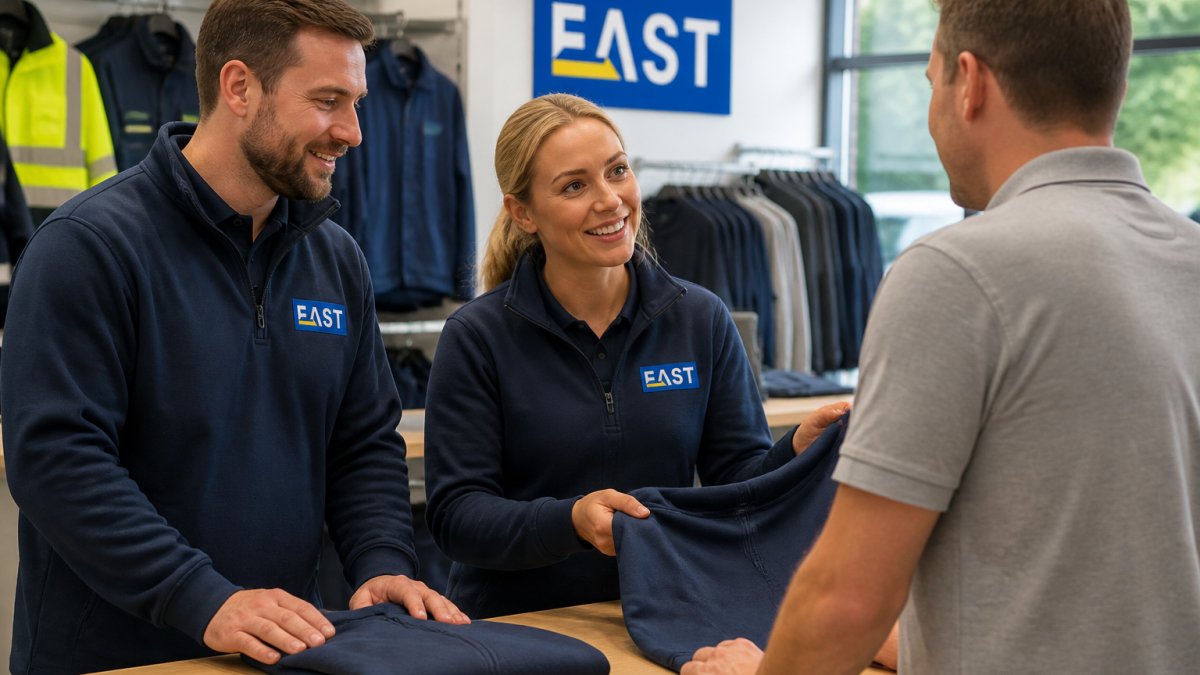
First impressions happen in seconds. When a customer meets your team, their brain processes several things simultaneously: appearance, confidence, and perceived competence. Uniforms influence all three.
A well-dressed team in quality branded workwear looks competent. It looks organised. It looks trustworthy. Conversely, mismatched clothing or poor-quality uniforms create doubt. Customers unconsciously wonder whether a business that can't get its uniform right can be trusted with more important matters.
The psychology is simple: how uniforms affect customer perception is tied directly to perceived professionalism. Research consistently shows that professional appearance correlates with customer confidence.
Quality uniforms also reduce cognitive load for customers. They don't have to wonder who works for you and who doesn't. The uniform makes it clear. This clarity builds trust because customers know exactly who to approach for help or information.
The durability of your uniforms affects this perception over time. A logo that starts peeling after a few washes damages trust more than no logo at all. It suggests corner-cutting.
Workwear Durability and Quality: Building Long-Term Value
The real cost of uniforms isn't the upfront purchase price, it's the total cost over time. A cheap uniform that falls apart after three months costs far more than a quality one that lasts a year, and the difference shows up on your brand, not just your balance sheet.
Workwear durability and quality determine how long your branded message stays sharp. Four variables do most of the work:
- Fabric composition and weight. Poly-cotton blends in the 200-240 gsm range are the workhorse for daily-wear polos and shirts. They hold shape, resist pilling, and keep colour through repeated industrial washing better than lightweight 140-160 gsm options. Heavier isn't always better, a 300 gsm cotton tee feels premium but can shrink and fade faster than a well-finished blend.
- Seam construction. Look for double-needle stitching at stress points (shoulders, armholes, side seams) and bar-tacked pocket corners. Single-stitched seams are the first thing to fail on a budget garment, and a split seam on a customer-facing uniform reads as neglect.
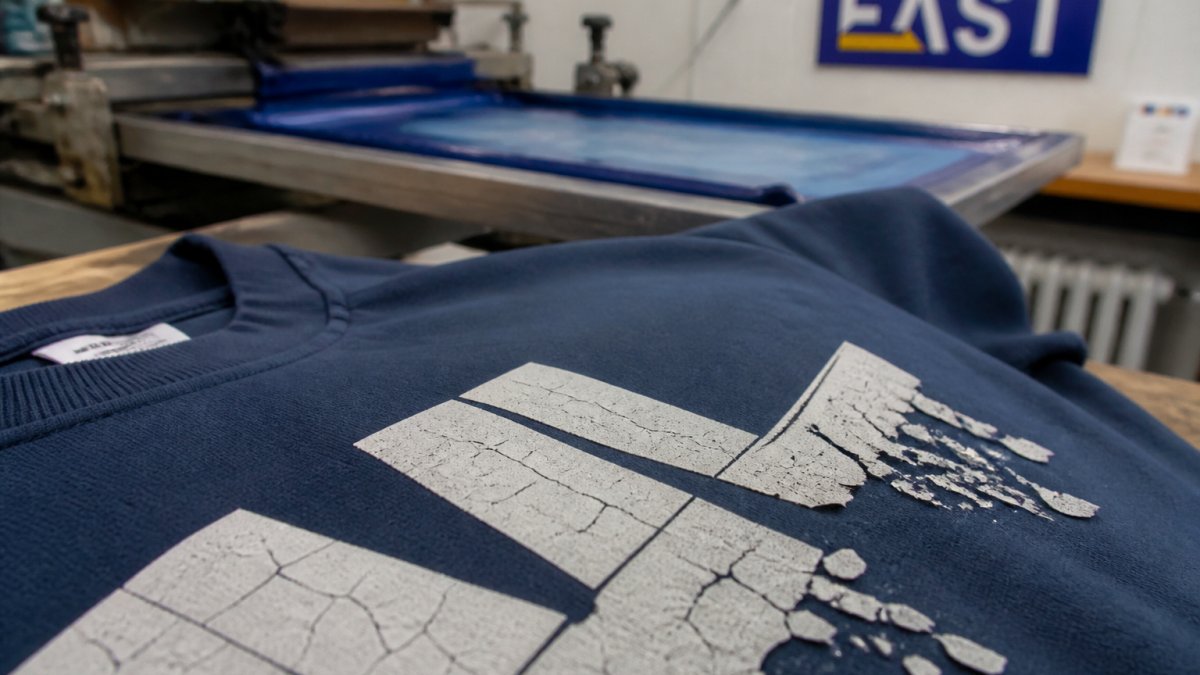
- Decoration method. Embroidered logos typically outlast printed ones because the thread is stitched into the fabric rather than sitting on top of it. Quality DTF printing, properly cured and adhered, will hold through dozens of domestic washes, but poorly cured DTF cracks within a handful of cycles.
- Colour fastness. Ask suppliers about wash-fastness ratings. A garment that drops two shades after ten washes makes a matched team look mismatched within a quarter.
Consider the maths. If a quality polo lasts twice as long as a budget one, the per-wear cost is lower even if the sticker price is higher. If it also maintains its appearance, keeping your brand looking sharp, the value proposition is stronger still.
Many businesses discover this the hard way. They order cheap uniforms to save money, then spend months dealing with staff complaints about poor fit, fading logos, and worn-out garments. By the time they switch to quality suppliers, they've wasted far more than they saved, and their brand has spent a year looking tired in front of customers.
If you want a straight answer on which garments suit your team's wear pattern, email info@workweareast.co.uk for a quote and we'll match the specification to the job.
Custom Embroidered Workwear and Brand Consistency
Embroidery is one of the most durable ways to apply your brand to workwear. Quality embroidery becomes part of the garment. It lasts.
Custom embroidered workwear also conveys quality. There's a perception that embroidery is "premium", and for good reason. It requires skill, proper equipment, and attention to detail. When customers see embroidered logos, they associate them with durability and professionalism.
The consistency of embroidery matters too. Each garment should have the logo in the same position, the same size, the same colours. This uniformity strengthens brand recognition and makes your team look coordinated.
Embroidery also works across different fabric types and colours. You can embroider on cotton, blends, jackets, caps, and more. This flexibility lets you build a consistent branded workwear programme across multiple garment styles without worrying whether printing methods will work on each material.
At Workwear East, we use advanced embroidery machines that handle intricate, multi-colour designs. This means you can have detailed logos, not simplified versions, on every garment. Your brand looks exactly as you designed it, every time.
Branded Workwear Benefits for Employee Engagement
Your team notices the quality of what they wear. When uniforms are cheap, ill-fitting, or low-quality, it sends a message: the business doesn't care enough to invest in them. When uniforms are quality, well-fitted, and professionally branded, it sends the opposite message.
Branded workwear benefits extend to employee morale. Staff who wear quality uniforms feel more professional. They feel more connected to the organisation. They're more likely to take pride in their appearance and, by extension, their work.
This isn't abstract. Employees in quality uniforms report higher job satisfaction. They feel like they're part of something professional. They're more confident when interacting with customers or clients. This confidence translates into better customer service.
Quality uniforms also reduce friction around dress codes. When everyone wears the same professional uniform, there's no debate about what's appropriate. Everyone knows they're dressed right. This clarity reduces stress and creates a more cohesive team environment.
Consistency in uniforms also builds team identity. When your entire team wears matching, professional branded workwear, they feel like a unit. This sense of belonging improves retention and reduces turnover.
Maintenance and Lifecycle: Protecting Your Investment
Buying quality uniforms is only half the battle. Maintenance determines whether that investment pays off, and this is the part most guides skip entirely. A uniform programme without a lifecycle plan degrades quietly, and the brand damage shows up long before anyone orders replacements.
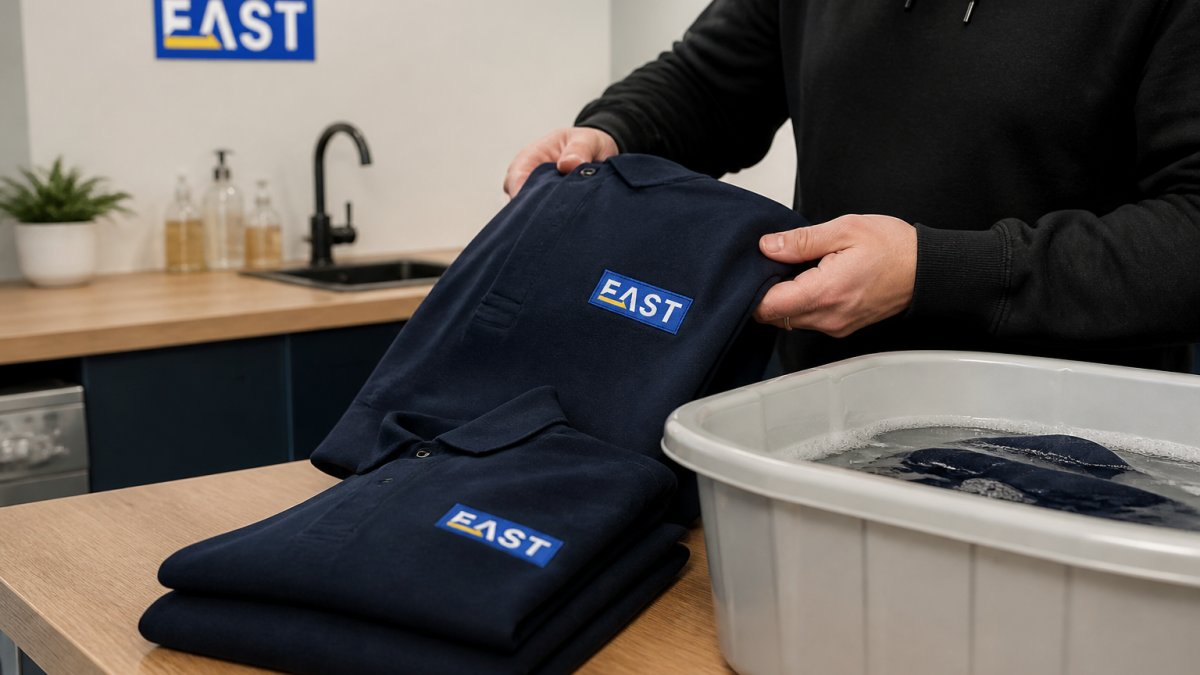
Set a wash protocol that matches the garment. Embroidered items should be turned inside-out before washing to protect stitching. Wash at 30°C where the care label allows, use a non-biological detergent, and avoid fabric softener, it coats fibres and dulls embroidery thread over time.
Build a rotation, not a single set. Staff who wear the same two garments five days a week will wear them out in months. A three-to-five garment rotation per person spreads the wash cycles and keeps each item looking newer for longer.
Inspect on a schedule, not on a hunch. A quarterly uniform check catches the small failures before they become visible ones:
- Loose embroidery threads or a lifting logo edge
- Fraying at collars, cuffs, and pocket corners
- Colour fade compared to a new garment from the same batch
- Missing buttons, broken zips, split seams
Document the lifecycle. Track how long garments last, where they fail first, and which specifications deliver the best durability for your team's wear pattern.
Store properly between wears and between seasons. Uniforms stored in damp conditions develop mildew and fade faster. A dry, ventilated cupboard keeps spare stock sharp.
If you'd like help building a lifecycle plan around your team's wear pattern, email info@workweareast.co.uk for a quote, or visit https://www.workweareast.co.uk/ to see the full range of durable branded workwear.
Frequently Asked Questions
How does uniform quality directly affect a company's brand image?
Uniform quality signals professionalism and attention to detail to customers. High-quality, well-maintained uniforms reinforce brand consistency and trustworthiness, while worn or poorly finished apparel undermines credibility. The durability of the fabric, stitching, and print finish all contribute to how customers perceive your organisation's reliability and standards. Investing in quality workwear demonstrates that your business cares about presentation and customer experience.
What should I look for in branded workwear to ensure it maintains its appearance?
Look for uniforms made from durable fabrics that resist fading and shrinking, such as high-quality cotton blends or performance materials. Check that embroidery or printing methods use colourfast dyes and reinforced stitching. Ask suppliers about wash-test results and how their prints perform after repeated laundering. Custom embroidered workwear typically lasts longer than some printing methods, but quality varies significantly. Request samples or references from other businesses to verify longevity before committing to large orders.
How can consistent uniforms improve customer trust in my business?
Consistent uniforms create visual cohesion that customers associate with professionalism and reliability. When staff appear uniform in appearance, customers perceive the organisation as organised, credible, and trustworthy. This consistency extends to brand recognition, customers begin to identify your team by sight. Combined with high-quality materials and finish, uniform consistency signals that your business maintains standards across all operations, which directly influences purchasing decisions and customer loyalty.
What's the actual lifespan of quality embroidered workwear?
Well-made embroidered workwear typically lasts 2-3 years with regular use and proper care, depending on fabric quality and washing frequency. Premium embroidery using quality thread and reinforced stitching resists unravelling and colour loss significantly longer than budget alternatives. Proper maintenance, washing in cool water, avoiding excessive tumble drying, and following care instructions, extends lifespan considerably. For businesses requiring frequent replacement, investing in higher-quality embroidered pieces upfront reduces long-term costs compared to cheaper alternatives that deteriorate quickly.