 how-to
How to Wash Embroidered Company Logos
Table of Contents
- Preparation Before Washing Embroidered Workwear
- Choosing the Best Detergent for Embroidered Clothing
- Machine Washing vs. Hand Washing Your Embroidered Logos
- Water Temperature and Wash Cycle Settings
- Drying Techniques for Embroidered Company Gear
- How to Iron Embroidered Shirts Without Damaging the Design
- Embroidered Workwear Maintenance Tips and Storage
- Stain Removal and Repairing Damaged Embroidery
- Frequently Asked Questions
Last Updated: October 3, 2026
Preparation Before Washing Embroidered Workwear
Proper preparation is the foundation of keeping embroidered company logos looking sharp when you wash embroidered company logos. Before any garment hits the washing machine, take a few simple steps to protect the stitching and fabric.
Start by turning the garment inside out. This shields the embroidery from direct friction and abrasion during the wash cycle. The embroidered side faces inward, away from the agitation that can damage delicate threads.
Check the care label on your workwear. Most embroidered items carry specific instructions. Look for water temperature recommendations and any warnings about bleach or fabric softener. If the label says "hand wash only," respect that guidance, it's there for a reason.
Inspect the embroidery for loose threads or damage before washing. If you spot fraying or a pulled thread, repair it now rather than letting the wash cycle make it worse. A small issue becomes a major one when exposed to water and movement.
Close any zips or buttons on your embroidered garments. Open fastenings can catch on other items or the washing machine drum. This protects both your workwear and other clothes in the load.
Choosing the Best Detergent for Embroidered Clothing
The detergent you choose makes a real difference in how long embroidered logos stay vibrant. Not all cleaners are created equal when it comes to protecting stitching and thread colour.
Select a mild detergent specifically formulated for delicate fabrics. Harsh surfactants in standard washing powders can break down thread fibres and fade colours over time. Look for products labelled as gentle or suitable for delicate items.
Avoid bleach entirely. Bleach strips colour from embroidered thread and weakens the fibres. Even oxygen-based bleach can cause discolouration in metallic or polyester threads. If stains appear, treat them separately before washing rather than relying on bleach.
Skip fabric softener as well. Softeners leave a coating on threads that can make embroidery look dull and feel stiff. The coating also traps moisture, which can lead to mildew growth on stored workwear.
Consider using a specialist embroidery wash if you have valuable or heavily embroidered items. These formulations are designed to clean without stripping colour or damaging delicate stitching. For everyday workwear, a standard mild detergent works perfectly.
Measure the detergent carefully. Use less than you would for a regular load. Excess detergent leaves residue on the threads and makes rinsing more difficult. A smaller amount cleans just as effectively while being gentler on the embroidery.
Machine Washing vs. Hand Washing Your Embroidered Logos
The choice between machine and hand washing depends on how heavily embroidered your workwear is and how often you wear it.
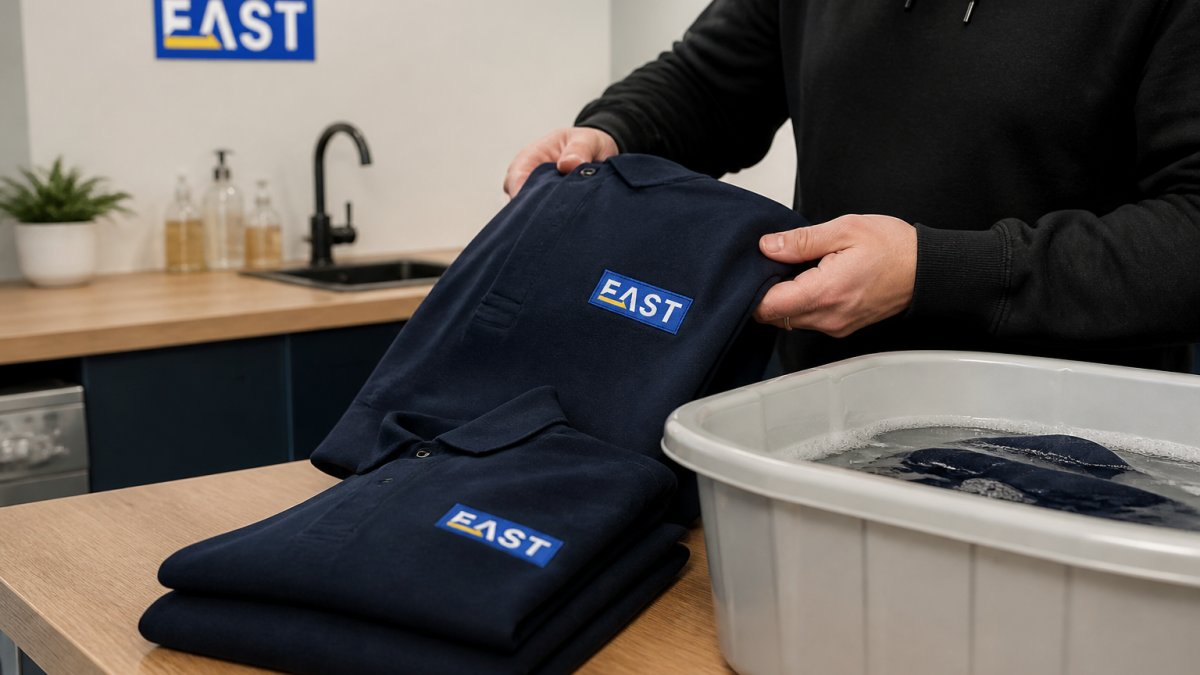
Hand washing offers maximum protection for delicate or intricate embroidery. Fill a sink with cool water, add a small amount of mild detergent, and submerge the garment. Gently agitate the water around the fabric for 2-3 minutes.
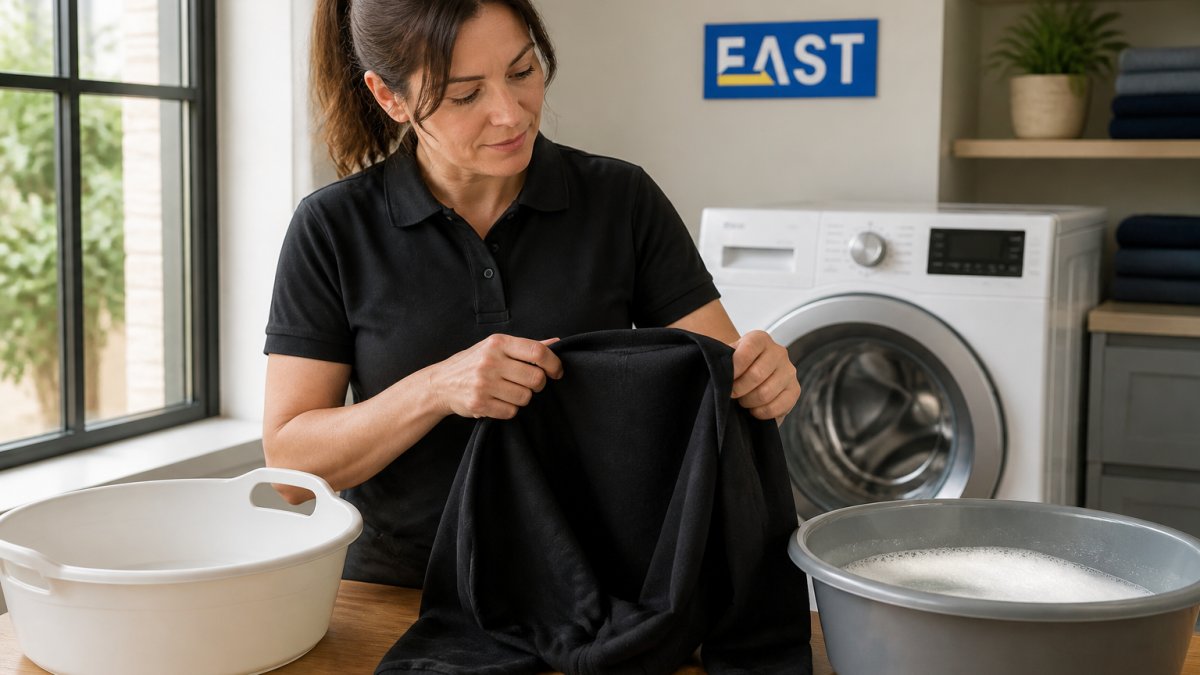
Machine washing works well for everyday workwear with modest embroidery. Use a delicate or gentle cycle with cold water. Place the garment in a protective mesh bag to reduce friction. This approach saves time while still protecting the embroidery reasonably well.
Heavy embroidery or metallic threads benefit from hand washing. The delicate cycle on a machine still creates movement that can catch metallic thread and cause fraying. Hand washing gives you complete control over how the garment is treated.
Consider how often you wear the item. Work uniforms worn daily can handle machine washing on a gentle cycle. Special event gear or dress uniforms worn occasionally deserve the care of hand washing.
Water Temperature and Wash Cycle Settings
Cold water is your best choice for embroidered workwear. Hot or warm water can cause thread dyes to bleed, especially in metallic or synthetic threads. Cold water also reduces shrinkage risk in cotton blends.
Use a delicate or gentle cycle if machine washing. This cycle runs slower, reduces agitation, and shortens the wash duration. A standard cycle spins faster and creates more friction, both risks for embroidery. Most machines have a "delicate" or "hand wash" setting specifically designed for fragile items.
Keep the cycle time short. A 20-30 minute delicate cycle is sufficient for lightly soiled workwear. Longer cycles mean more time for thread damage to occur. If your workwear is heavily soiled, pre-treat stains before washing rather than extending the cycle.
Reduce the spin speed if your machine allows it. A slower spin removes water without excessive force on the threads. If your machine doesn't have variable spin speeds, select the delicate cycle, it typically includes a gentler spin.
For hand washing, use water that's cool to the touch. Lukewarm water is acceptable, but avoid anything warmer. The cooler the water, the better the colour retention in the embroidery.
Drying Techniques for Embroidered Company Gear
Air drying is the gold standard when you wash embroidered company logos and want to preserve them properly. Heat from a tumble dryer can damage synthetic threads, fade colours, and cause shrinkage. Air drying takes longer but preserves the garment far better.
Lay the garment flat on a clean towel or drying rack. Arrange it so the embroidery faces upward. This prevents the stitching from being pressed against a hard surface, which can flatten or distort the design. Smooth out any wrinkles gently with your hand.
If you must hang dry, use a padded hanger. Metal or plastic hangers can create creases that are difficult to remove. Hang the garment by the shoulders, not by the embroidered area.
Never use a tumble dryer for embroidered items. The heat and tumbling action damage thread fibres, fade colours, and can cause shrinkage. Even a low-heat setting poses risk to delicate embroidery.
Avoid direct sunlight when air drying. Prolonged sun exposure fades thread colours, especially vibrant dyes and metallic threads. Dry indoors in a well-ventilated area away from radiators or heat sources.
Remove the garment from the drying surface while still slightly damp. This makes ironing easier and reduces the risk of creases setting permanently. Completely dry garments can wrinkle during storage.
How to Iron Embroidered Shirts Without Damaging the Design
Ironing embroidered workwear requires care to avoid flattening or melting the threads. A few simple techniques keep your company logos looking sharp.
Set your iron to a low temperature. Synthetic threads used in embroidery can melt at high heat. Most embroidered items do well with a setting between 110-130°C. Test on a hidden area first if you're unsure.
Place a pressing cloth or thin cotton towel over the embroidery before ironing. This barrier prevents the iron plate from making direct contact with the threads.
Iron the garment inside out whenever possible. This approach keeps direct heat away from the embroidery entirely. You'll still smooth out wrinkles in the fabric while protecting the design.
Never iron directly over the embroidered area. Work around it, ironing the plain fabric sections instead. If wrinkles appear in the embroidery itself, use the pressing cloth method rather than applying direct pressure.
Use steam sparingly. Moisture can weaken thread bonds and cause synthetic fibres to warp. A dry iron with the pressing cloth method works better than steam for embroidered items.
Allow the garment to cool completely before wearing or storing. Hot fabric is more prone to wrinkles and creasing. Patience here prevents damage that ironing alone can't fix.
Embroidered Workwear Maintenance Tips and Storage
Proper storage between wears extends the life of your embroidered company gear significantly. A few preventative measures keep logos looking professional wash after wash.
Fold embroidered items rather than hanging them long-term. Hangers can stretch the fabric around the shoulders and distort the overall fit.
Use acid-free tissue paper when storing embroidered workwear for extended periods. This prevents yellowing and protects the fabric from dust and moisture. Avoid plastic storage bags, which trap humidity and can promote mildew growth.
Keep stored garments away from damp areas. Basements and attics with moisture problems can damage thread colours and weaken fibres. A dry closet or cupboard is ideal.
Inspect embroidered items before wearing them again after storage. Check for loose threads, colour fading, or any signs of damage. Catching problems early prevents them from worsening during the next wear cycle.
Rotate your embroidered workwear if you have multiple sets. Wearing the same garment constantly increases wear on the embroidery. Alternating between items spreads the stress and extends their lifespan.
Consider professional care for high-value embroidered garments. Specialist cleaners understand how to handle delicate stitching and can address stubborn stains without risk. For everyday work uniforms, home care is perfectly adequate.
At Workwear East, we design embroidered company logos built to last. Our Branded Polo shirts and Workwear Bundles feature advanced embroidery techniques that create durable, multi-colour designs built to withstand regular washing when cared for properly. Following these maintenance guidelines ensures your branded workwear stays looking professional through years of use.
Stain Removal and Repairing Damaged Embroidery
Stains happen on workwear. The key is treating them quickly and carefully, especially around embroidered areas.
Blot fresh stains immediately rather than rubbing. Rubbing pushes the stain deeper into the fabric and can damage threads. Use a clean, damp cloth and press gently.
Pre-treat stains before washing. Apply a small amount of mild detergent directly to the stain and let it sit for 10-15 minutes.
For stubborn stains on embroidered sections, consider hand washing that area separately.
Never use heat to dry a stained area before washing. Heat can set the stain permanently, making it nearly impossible to remove later. Always wash out the stain completely before drying.
Minor thread damage can be repaired at home with a seam ripper and needle.
For extensive damage, multiple broken threads, large areas of fraying, or colour loss, professional repair is worth the investment. Specialist embroiderers can re-stitch damaged sections and match colours accurately.
Prevent future damage by addressing small problems immediately. A single loose thread becomes a major repair if left unattended through multiple wash cycles. Regular inspection catches issues before they spread.
Keeping embroidered company logos in top condition doesn't require special expertise. Turn garments inside out, use mild detergent, wash on a gentle cycle with cold water, and air dry flat.
When you need fresh embroidered workwear or want to replace damaged items, Workwear East delivers durable, high-quality branded apparel designed to withstand daily wear. Our embroidery techniques create vibrant, long-lasting logos on workwear built for the demands of your business. Email info@workweareast.co.uk for a quote and discover how our embroidered solutions outperform standard options. Visit Workwear East to explore our full range of branded workwear options tailored to your team's needs.
Frequently Asked Questions
Can you machine wash embroidered clothing?
Yes, you can machine wash embroidered clothing using a gentle cycle with cold water. Turn the garment inside out first to protect the embroidery from friction. Use a protective mesh bag for extra safety and avoid heavy-duty cycles. Machine washing is suitable for most workwear, but delicate or vintage embroidery benefits from hand washing instead.
What temperature is best for washing embroidered workwear?
Cold water is best for washing embroidered company logos. Hot water can cause thread discolouration, shrinkage, and heat damage to synthetic fibres used in embroidery. Cold water preserves thread integrity, prevents colour bleeding, and extends garment longevity. Always check your workwear care label for specific temperature guidance.
How do I prevent embroidery threads from fraying in the wash?
Turn garments inside out before washing to minimise friction against the embroidery. Use a delicate cycle with a protective mesh bag, mild detergent, and cold water. Avoid tumble drying, which creates agitation that damages thread tension and causes fraying. Air dry flat or hanging to maintain stitch integrity and prevent further wear.
Should I turn embroidered shirts inside out before washing?
Yes, always turn embroidered shirts inside out before washing. This protects the embroidery backing and threads from rubbing against other garments and the washing machine drum. Inside-out washing reduces the risk of thread fraying, stitch damage, and colour bleeding. It's one of the simplest steps to preserve your company logo's appearance and extend workwear lifespan.