 how-to
Hi Vis Clothing Thetford: Custom Workwear Guide 2026
Table of Contents
- What Thetford Businesses Need to Know About Hi Vis Clothing
- UK Safety Standards and Visibility Classes Explained
- Hi Vis Vests and Waistcoats: The Everyday Essential
- Hi Vis Jackets and Coats for Cold, Wet Norfolk Days
- Custom Hi Vis Clothing: Logos, Embroidery and Printing
- Branded Workwear for Thetford Teams: Fit, Sizing and Layering
- How to Choose the Right Hi Vis Clothing for Your Trade
- Caring for and Replacing Your Hi Vis Workwear
- Frequently Asked Questions
Last Updated: October 6, 2026
What Thetford Businesses Need to Know About Hi Vis Clothing
Hi vis clothing is protective workwear made from fluorescent fabric with reflective tape, designed to make workers visible in daylight and low-light conditions. For Thetford businesses, getting it right is a legal duty, not just a preference. This guide from Workwear East covers the standards, garment types, customisation options and care advice you need before ordering for your team.
The Health and Safety at Work etc. Act 1974 requires employers to protect workers from foreseeable risks, and the Personal Protective Equipment at Work Regulations 1992 (amended in 2022) place personal protective equipment firmly in that duty. Where visibility is a risk factor, hi vis clothing is not optional. The Health and Safety Executive guidance on PPE at work sets out what employers must legally provide, and the Personal Protective Equipment at Work Regulations 1992 confirm that suitable PPE must be supplied free of charge.
Below, we break down the visibility classes, the garment types worth stocking, and how to build a branded hi vis range that lasts.
UK Safety Standards and Visibility Classes Explained
The governing standard is BS EN ISO 20471, which grades hi vis clothing into three classes based on how much fluorescent and reflective material a garment carries. Class 1 offers the minimum visible area, Class 2 is the common middle ground for most trade work, and Class 3 provides the highest coverage, typically achieved by wearing a Class 2 jacket with Class 2 trousers.
What the Class Ratings Mean for Your Team
| Class | Minimum Reflective Area | Typical Garment | Best For |
|---|---|---|---|
| Class 1 | Lowest | Basic vest, trousers | Low-risk, off-road sites |
| Class 2 | Medium | Vest, jacket, polo | Most trade and industrial work |
| Class 3 | Highest | Jacket plus trousers | High-speed roads, night work |
The class you need depends on the risk assessment, not habit. A common mistake is buying Class 2 vests for everyone because that is what the last supplier sent. Workers near fast-moving traffic or on unlit sites often need Class 3 coverage instead.
Hi Vis Vests and Waistcoats: The Everyday Essential
The hi vis vest is the workhorse of any hi vis clothing range. It slips over ordinary clothes, packs down small, and suits visitors, delivery drivers and short-duration tasks. Waistcoats add pockets and a more tailored fit for staff who wear them all day.

What to Look For in a Vest or Waistcoat
Not all vests are equal, and the differences matter when you are buying for a team:
- Tape configuration: Two horizontal bands plus two vertical braces is the common Class 2 layout. A single band around the waist is usually Class 1 only.
- Fastening: Velcro is quick to put on and take off; a zip or press studs lasts longer on garments that are worn daily.
- Fabric weight: Lightweight mesh suits summer and indoor use; solid polyester or polycotton holds its shape better and takes embroidery more cleanly.
- Pockets: A waistcoat with chest and lower pockets is worth the small extra cost for supervisors who carry phones, pens and small tools.
- Colour: Fluorescent yellow is the most common; fluorescent orange is often specified for rail and some highways work.
Sizing and Stocking for Visitors and Contractors
Vests are the garments most often lent out and lost, so plan for that. A practical approach is to keep a small stock of spare vests in common sizes, typically medium through XXL, for contractors, inspectors and site visitors who arrive without their own. Store them somewhere dry and check the tape periodically, because a vest that has been folded in a van for months can have creased or lifting reflective tape.
For teams that need a smarter look, a branded waistcoat in a corporate colour keeps the reflective tape intact while carrying your logo. Embroidery works well on solid-fabric waistcoats; on mesh vests, a printed logo is usually the better choice because the open weave does not hold stitches as securely.
Buying Locally
If you are ordering for a team in or around Thetford, it helps to confirm stock and sizing before you commit. We can advise on the right vest or waistcoat for your risk assessment, check availability in the sizes you need, and arrange collection or delivery. Email info@workweareast for a quote, or browse the full range at workweareast.co.uk.
Hi Vis Jackets and Coats for Cold, Wet Norfolk Days
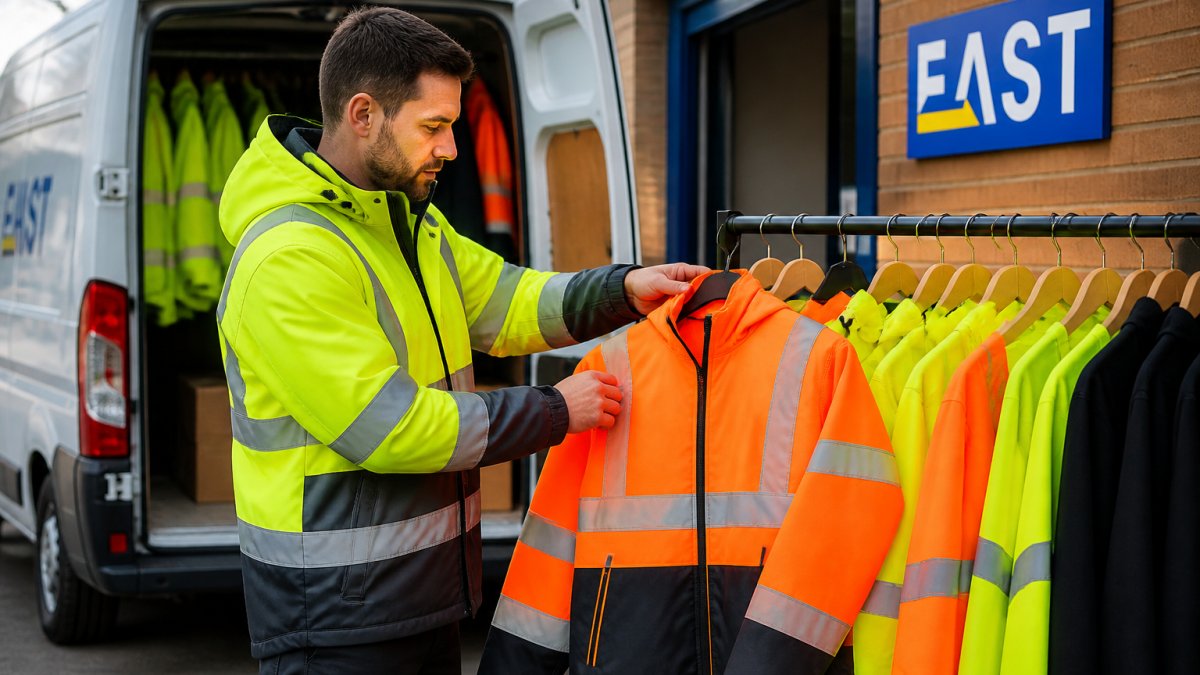
A hi vis jacket protects visibility and weather at the same time, which matters when winter work continues through rain and wind. Look for a waterproof jacket with taped seams and a breathable lining, so workers stay dry without overheating.
Bodywarmers suit milder days when a full coat is too much. Fleeces and hoodies worn underneath add warmth without hiding the reflective tape. The best approach is layering: a base layer, a fleece or sweatshirt, then a hi vis jacket or coat on top.
Custom Hi Vis Clothing: Logos, Embroidery and Printing
Custom hi vis clothing turns standard PPE into a branded uniform, and the method you choose affects how long the logo lasts. Embroidery stitches your design directly into the fabric, DTF printing transfers detailed full-colour images onto the surface, and screen printing applies ink through a mesh for large runs.
Embroidery vs DTF Printing vs Screen Printing
| Method | Best For | Durability | Detail Level |
|---|---|---|---|
| Embroidery | Polos, fleeces, jackets | Very high | Medium |
| DTF printing | Detailed logos, small runs | High | Very high |
| Screen printing | Large single-colour orders | High | Simple designs |
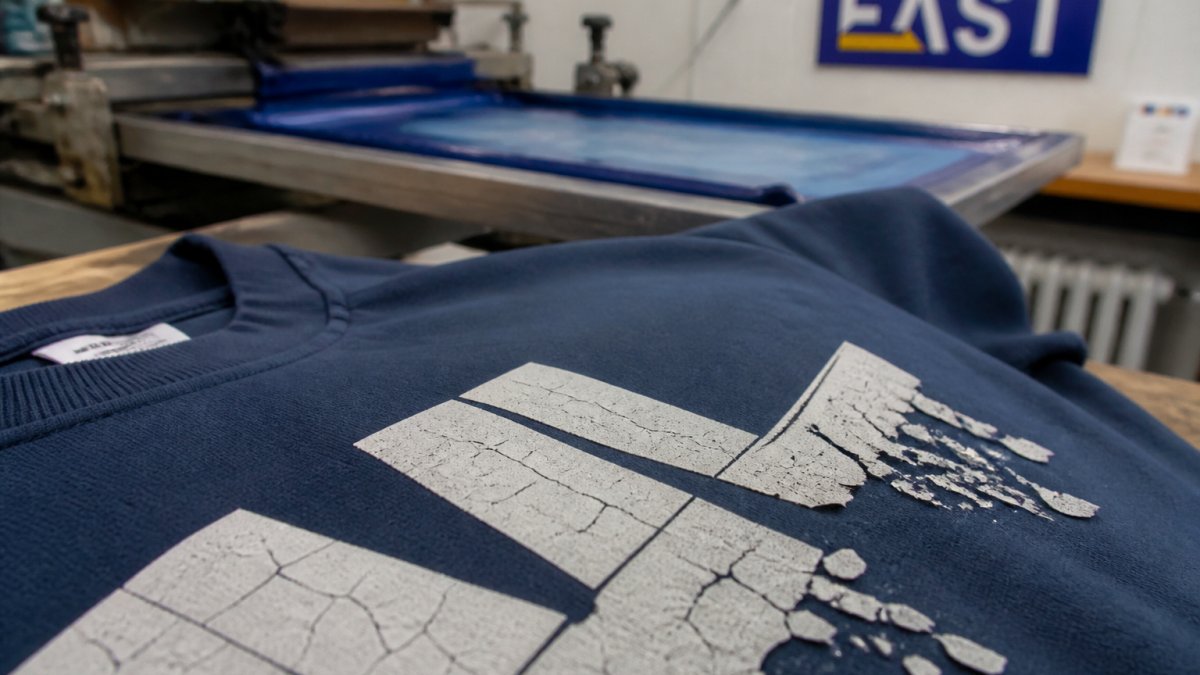
A frequent concern we hear is logos cracking or peeling after a few washes. That usually comes down to the printing method and the cure, not the garment. Our guidance on maintaining protective clothing from the British Safety Industry Federation points to proper care as the main factor in lifespan, and we apply the same principle to every print we produce.
For teams needing polos, our branded polo shirts are a popular starting point, and our full hi-vis range covers vests, jackets and trousers. Larger organisations can manage sizing and reorders through a workwear portal.
Branded Workwear for Thetford Teams: Fit, Sizing and Layering
Sizing is where most bulk orders go wrong. Hi vis garments are often worn over other clothing, so staff frequently need a size up from their usual. Ordering to a plain size chart without accounting for layering leads to returns, delays and downtime.
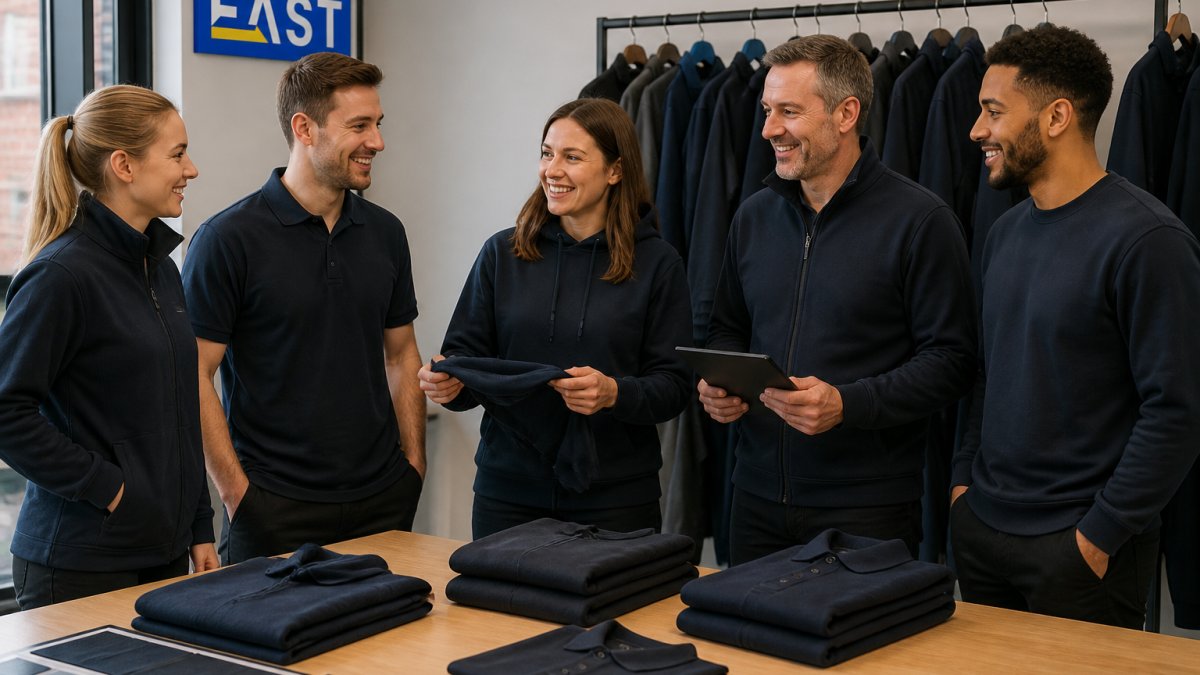
Our advice is to collect sizes with a fit session or a simple sizing kit rather than guessing. Where teams span multiple departments, a portal keeps each person's sizes and history on record, so reorders are quick. This is the part most suppliers gloss over, and it is usually what causes the delays customers complain about.
How to Choose the Right Hi Vis Clothing for Your Trade
Start with the risk assessment, then match the class and garment type to the task. A groundworker on a lit site has different needs from a night-shift highways crew, and the clothing should reflect that difference.
- Identify the hazard: traffic, plant movement, low light or poor weather
- Set the class: Class 2 for most trade work, Class 3 for high-risk or night conditions
- Choose the garment: vests for visitors, jackets and coats for outdoor shifts
- Plan the layers: base layer, mid-layer, then hi vis outerwear
- Add branding: embroidery for durability, DTF for detail
- Check the label: confirm certification and care instructions
Work through this list before you request a quote, and you will avoid over-buying or under-specifying.
Caring for and Replacing Your Hi Vis Workwear
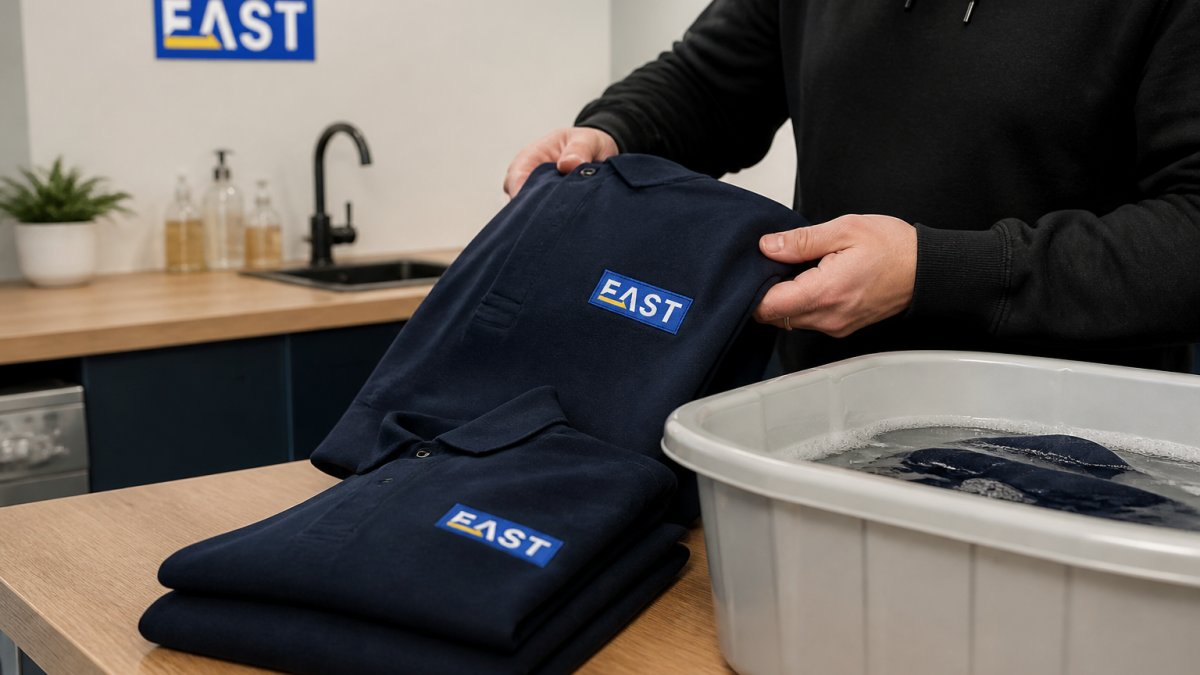
Hi vis clothing loses its protective quality over time, and the reflective tape is usually the first thing to fail. Wash garments according to the label, avoid fabric softener, and never tumble dry reflective tape at high heat.
Replace any garment where the fluorescent colour has faded, the tape is peeling, or the fabric is torn. A faded vest still looks bright indoors but performs poorly in low light. Build replacement into your budget rather than waiting for a failure, and keep a small stock of spares for new starters.
Frequently Asked Questions
What hi-vis clothing do I need for work?
It depends on your working environment and risk assessment. For low-risk daytime work, a hi vis vest or waistcoat meeting the relevant standard is often enough. For night-time or high-traffic areas, you will need higher-class garments with more reflective tape. Many Norfolk trade teams choose a combination of vests for summer, jackets for winter, and trousers for full coverage. Workwear East can advise on the right specification for your site.
Can hi-vis clothing be embroidered or printed with a company logo?
Yes. Custom hi vis clothing can be embroidered or printed with your company logo. Embroidery suits polo shirts, jackets and fleeces, while DTF printing handles detailed full-colour designs on vests and T-shirts. Screen printing is cost-effective for large orders. Workwear East in Thetford offers all three methods, ensuring your branding stays visible and durable wash after wash. Email info@workweareast for a quote.
How should hi-vis workwear be cared for?
Wash hi vis garments according to the label, usually at 40°C or lower, and avoid fabric softener which can reduce reflectivity. Do not tumble dry reflective tape. Check regularly for fraying, fading or damaged tape. Replace garments when the fluorescent colour dulls or reflective strips peel. Proper care extends lifespan and keeps your team compliant with UK safety standards. Workwear East can advise on care routines for your specific garments.
How can I order custom hi-vis workwear for a business?
Start by confirming your team's sizes and the required safety class. Then choose your garments, colours and branding method. Workwear East in Thetford supplies embroidered and printed hi vis clothing, with options for workwear bundles and workforce portals to manage orders. Pricing depends on quantity, garment type and decoration. Visit workweareast.co.uk or email info@workweareast to discuss your requirements and get a quote.
Keeping a team visible, compliant and consistently branded takes more than a single order. Workwear East supplies durable embroidered and printed hi vis clothing for businesses across Thetford and Norfolk, with advanced embroidery machines, versatile DTF printing and cost-effective screen printing for larger runs. Browse the full range or email info@workweareast for a quote, and we will help you specify the right garments, sizes and branding for your team.