 ultimate-guide
High Quality Embroidered Workwear Norfolk: A 2026 Guide
Table of Contents
- Why High Quality Embroidered Workwear Matters for Norfolk Businesses
- Benefits of Embroidered Workwear for Branding Your Team
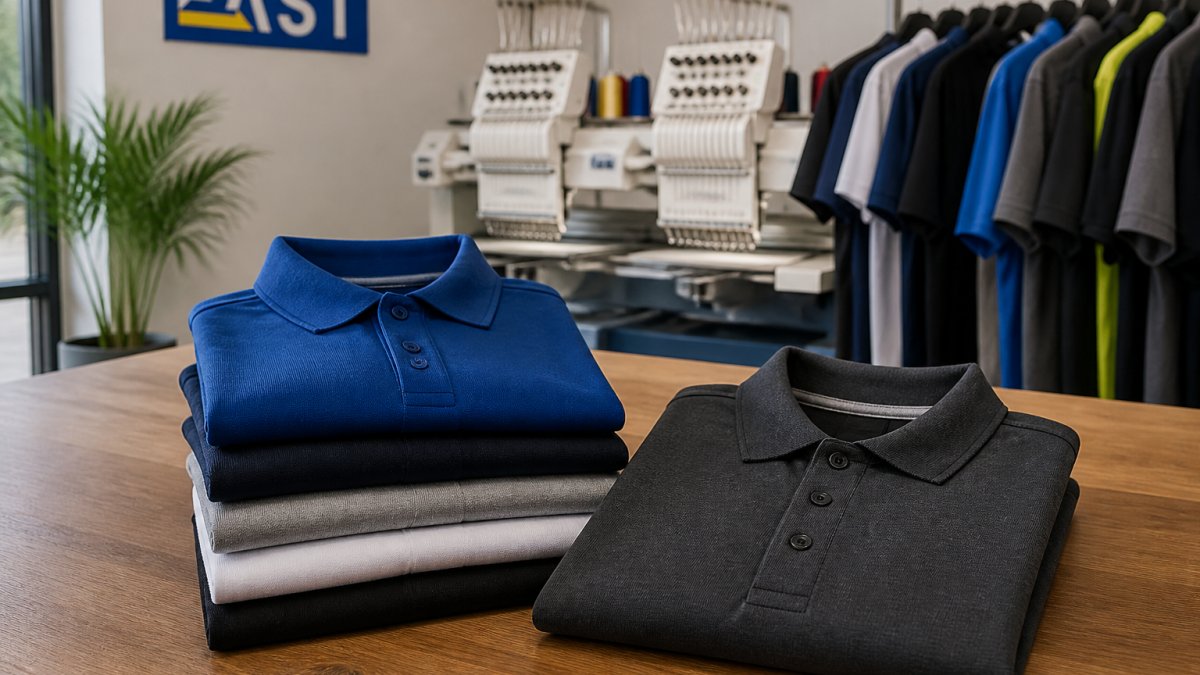
- Best Workwear Fabrics for Embroidery: Durability and Appearance
- Embroidery vs. Screen Printing: Which Is Right for Your Workwear
- How to Care for Embroidered Garments and Maintain Professional Quality
- Custom Embroidery Solutions for Norfolk Businesses: What to Expect
- Frequently Asked Questions
Last Updated: August 6, 2026
Why High Quality Embroidered Workwear Matters for Norfolk Businesses
High quality embroidered workwear Norfolk is far more than a uniform choice, it's a strategic investment in how your team presents itself to clients, partners, and the public. When your staff wears professionally embroidered apparel bearing your company logo, you're not just dressing them; you're broadcasting your brand identity every single working day.
The difference between cheap embroidery and quality work becomes obvious within weeks. Poorly executed stitching unravels, thread colours fade, and logos lose definition. Your team ends up looking unprofessional, which directly undermines the credibility you're trying to build. Quality embroidered workwear, by contrast, maintains its appearance through months of daily wear and industrial laundering.
Workwear East understands this tension. Many Norfolk businesses have discovered that investing in durable, well-embroidered garments pays dividends in brand perception and employee morale. When your construction crew, logistics team, or service staff wear apparel that looks sharp and holds up under real-world conditions, clients notice. It signals competence, attention to detail, and professionalism.
This guide covers everything you need to know about selecting, maintaining, and sourcing embroidered workwear that genuinely performs. We'll explore fabric choices, embroidery techniques, and the practical considerations that separate workwear that lasts from workwear that disappoints.
Benefits of Embroidered Workwear for Branding Your Team
Embroidered logos create a level of permanence that screen printing simply cannot match. The thread is physically stitched into the fabric, making it resistant to cracking, peeling, and fading, the three problems most businesses encounter when they've used inferior printing methods before.
Beyond durability, embroidery delivers a professional aesthetic that screen printing often struggles to achieve. Fine detail work, multi-colour designs, and dimensional effects are all possible with modern embroidery machines. Your logo doesn't sit on top of the fabric; it becomes part of the garment itself.
From a branding perspective, embroidered workwear creates consistent visual identity across your entire team. When everyone wears the same professionally embroidered garment with your company name or logo, brand recognition increases. Clients and customers develop stronger associations with your business. Studies consistently show that uniform branding reinforces trust and professionalism.
Employee morale often improves when staff wear quality branded apparel. It creates a sense of belonging and team identity. Workers who feel part of a professional operation tend to take more pride in their work. This intangible benefit frequently translates into better customer interactions and lower turnover.
For businesses operating across multiple locations or departments, embroidered workwear unifies the visual brand. Whether your team is in Thetford, Norwich, or across Norfolk, consistency matters. Clients encountering your staff at different sites should see the same professional presentation.
Best Workwear Fabrics for Embroidery: Durability and Appearance
The fabric you choose determines how well your embroidery will hold up and how professional the final garment looks. Not all fabrics are equally suited to embroidery, and the wrong choice can result in puckering, thread breakage, or a finished product that doesn't meet your standards.
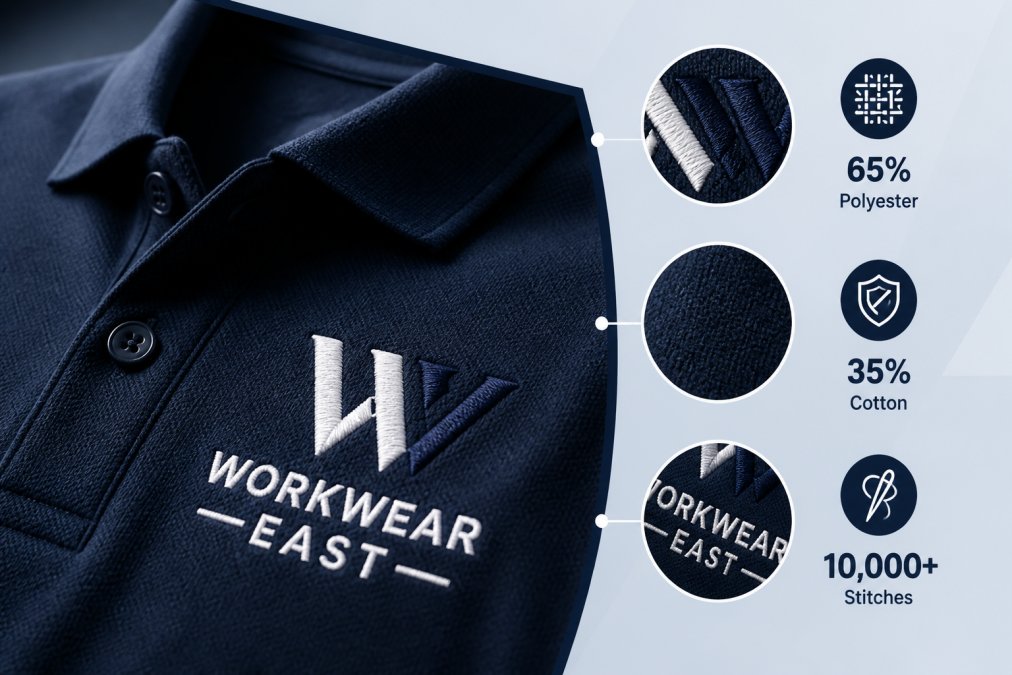
Cotton and Cotton Blends
Cotton remains the gold standard for embroidered workwear. It's breathable, durable, and accepts embroidery beautifully. The thread holds securely in cotton fabric, and the natural fibres resist pilling and degradation over extended wear cycles.
Cotton blends, typically cotton mixed with polyester in ratios like 65/35 or 80/20, offer the best of both worlds. Cotton provides comfort and breathability, while polyester adds durability and colour retention. These blends are particularly popular for workwear because they withstand industrial laundering better than pure cotton.
The thread count matters significantly. Higher thread count fabrics (typically 150+ threads per inch) provide a tighter weave that holds embroidery more securely. When you're investing in custom embroidery, you want fabric that will keep those stitches in place through hundreds of wash cycles.
For Norfolk businesses in construction, logistics, or manufacturing, cotton blends offer excellent value. They maintain their appearance longer than budget alternatives, and the embroidery remains crisp and vibrant. Many teams report that quality cotton-blend workwear looks professional even after a year of daily use.
Performance Fabrics and Moisture-Wicking Materials
Modern performance fabrics, polyester blends engineered for moisture-wicking and breathability, have transformed workwear. These materials pull sweat away from the body, keeping workers comfortable during physical labour or outdoor work.
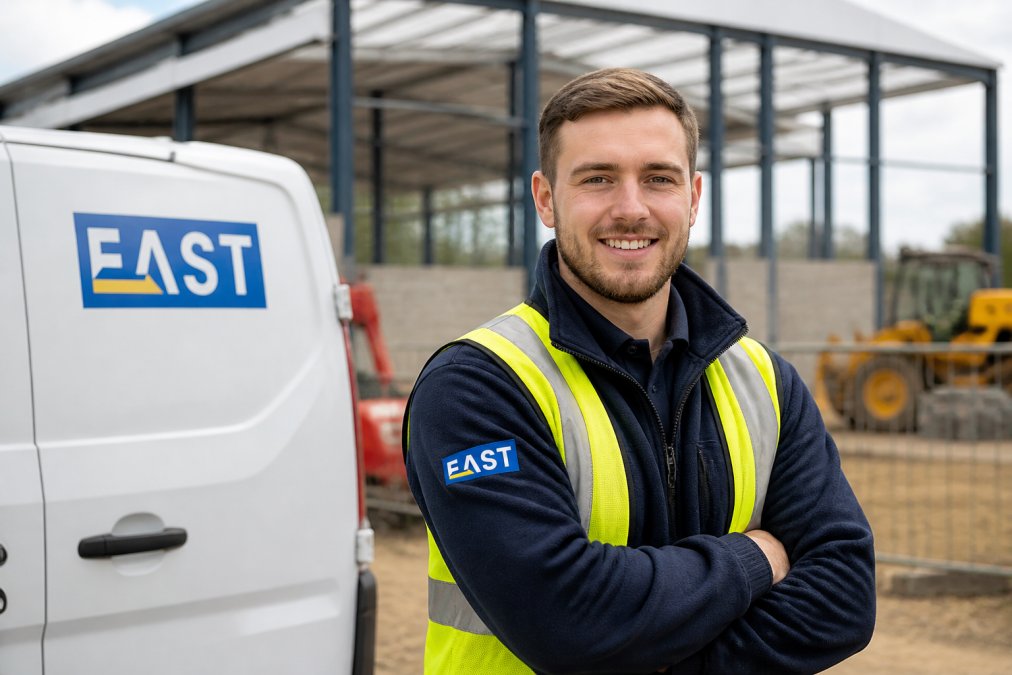
Moisture-wicking fabrics are particularly valuable for teams working in warm conditions or engaged in active labour. A worker in a hi-vis embroidered polo shirt made from performance fabric will stay drier and more comfortable than one in basic cotton. This translates into better focus, fewer breaks, and improved productivity.
The trade-off is that performance fabrics can be trickier to embroider. They're often smoother and less absorbent than cotton, which means embroidery machines require different tension settings and stabilisation techniques. However, modern embroidery equipment handles these materials well, and the results are excellent.
Polyester-dominant blends also offer superior colour retention compared to pure cotton. Logos and company names remain vibrant longer, which matters if you're building long-term brand consistency. For businesses that want their embroidered workwear to look sharp for years, performance fabrics are worth the investment.
Embroidery vs. Screen Printing: Which Is Right for Your Workwear
This decision shapes everything about your workwear programme, durability, appearance, cost, and long-term satisfaction. Understanding the real differences helps you choose the method that actually fits your needs.
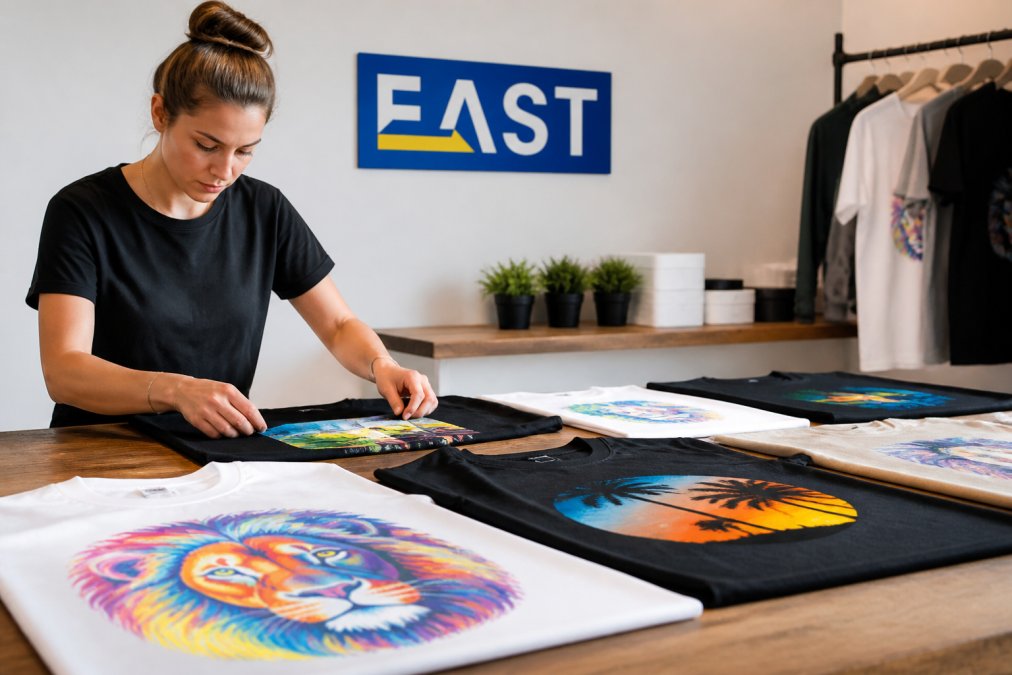
Embroidery involves stitching your design directly into the fabric using specialised machines. The thread is physically part of the garment. Screen printing, by contrast, applies ink to the fabric surface using a mesh screen and squeegee. The ink sits on top of the fabric rather than being integrated into it.
Durability strongly favours embroidery. Embroidered logos withstand hundreds of wash cycles without cracking, peeling, or fading. Screen-printed logos typically begin showing wear after 30-50 washes, particularly if the garment is subjected to industrial laundering or harsh detergents. This is the most common complaint from businesses that have used screen printing: logos degrade far faster than expected.
Embroidery excels at fine detail and multi-colour designs. Modern embroidery machines can produce incredibly intricate work with dozens of colours. Screen printing works best for bold, simple designs with fewer colours. If your logo is complex or features gradients and fine lines, embroidery delivers superior results.
Cost-wise, screen printing has a lower per-unit cost for very large orders (500+ garments). Embroidery has higher setup costs but lower per-unit costs on smaller runs. For most Norfolk businesses ordering 20-100 garments at a time, embroidery is often a cost-effective option.
Embroidery creates a three-dimensional effect that catches light and draws attention to your logo. This visual impact matters when you want your branding to stand out. Screen printing is flatter and less visually distinctive, which is fine for internal use but less effective for client-facing teams.
The heat-transfer method (DTF printing) offers a middle ground, more durable than traditional screen printing but less labour-intensive than embroidery. However, even DTF printing eventually shows wear, particularly on high-friction areas like sleeves or collars. For workwear that will be worn daily and laundered frequently, embroidery remains a very reliable choice.
How to Care for Embroidered Garments and Maintain Professional Quality
Your embroidered workwear investment only pays off if you maintain it properly. The good news: caring for embroidered garments isn't complicated, but it does require understanding a few key principles.
Washing temperature matters. Embroidered workwear should be washed in warm water (around 40°C) rather than hot. High temperatures can weaken thread fibres and cause colours to fade. Cold water works too, though warm water provides better cleaning for work-soiled garments.
Turn garments inside out before washing. This simple step protects the embroidered surface from friction and abrasion that occurs during the wash cycle. The embroidery is on the outside of the garment, so flipping it reduces direct contact with agitation and other garments.
Use mild detergent designed for delicate fabrics. Harsh industrial detergents can degrade thread quality over time. Many Norfolk businesses use standard laundry detergent without issue, but if you're running an industrial laundry operation, specify gentle detergent to your laundry service.
Avoid bleach entirely. Bleach weakens thread fibres and can cause colour bleeding from the embroidery into the base fabric. Even oxygen-based bleach can damage thread over time. For stubborn stains, pre-treat with a stain remover before washing.
Drying is where many businesses make mistakes. High heat from commercial dryers can shrink garments and damage embroidery. Air-drying is ideal, though many businesses find this impractical. If you must use a dryer, use low heat settings. Hanging to dry preserves both the garment shape and the embroidery quality.
Iron embroidered garments on the reverse side only. Never place a hot iron directly on embroidery, the heat can damage thread and flatten the dimensional effect. Ironing the back of the garment removes wrinkles without risking the embroidered surface.
Storage matters too. Store embroidered workwear in a cool, dry place away from direct sunlight. Prolonged sun exposure fades thread colours, even on high-quality embroidery. If you're storing seasonal workwear or backup garments, ensure they're in a protected environment.
Inspect garments periodically for loose threads or early signs of wear. Catching small issues early, a loose stitch, a slightly pulled thread, allows for quick repairs before they become major problems. Most embroidery shops can perform minor repairs quickly and inexpensively.
Custom Embroidery Solutions for Norfolk Businesses: What to Expect
Working with a professional embroidery service transforms your workwear from generic clothing into branded assets. Understanding the process helps you plan timelines, budgets, and expectations.
The process begins with logo digitization. Your company logo, whether it's a simple text-based design or complex artwork, needs to be converted into a digital format that embroidery machines can read. This isn't a simple image conversion; it's a specialised process that translates your design into stitch patterns and thread sequences.
Vector artwork works best for digitization. If your logo exists as a vector file (from your graphic designer), the digitization process is straightforward. If you only have a raster image (a photograph or low-resolution graphic), the digitizer must recreate it as vector art first. This takes longer but produces better results.
Colour matching is critical. Your embroidery service needs to match your brand colours as closely as possible using available thread. Most professional embroidery shops use Pantone colour standards, which provide precise colour references. However, thread colours don't perfectly match every Pantone shade, so your service should provide samples for approval before full production.
Turnaround times vary based on order size and current workload. Small orders (10-50 garments) typically take 5-10 working days from approval to completion. Larger orders may take 2-3 weeks. Rush orders are often possible but may incur additional costs. Workwear East can discuss your timeline requirements and confirm realistic delivery dates.
Minimum order quantities have become far less restrictive in recent years. Many embroidery services, including Workwear East, work with small orders, sometimes as few as five garments. This flexibility means you can start with a small batch, test the results, and scale up if you're satisfied.
Quality control involves inspecting each garment before shipment. Professional services check for stitch quality, colour accuracy, logo placement, and any defects. Your order should arrive ready to wear without requiring additional finishing or corrections.
For businesses managing multiple departments or locations, embroidery services can handle complex orders with variations. Different sizes, different logo placements, or different colour combinations can all be accommodated within a single order. Workwear East's team can manage these logistics, ensuring consistency across your entire order.
Pricing depends on several factors: garment cost, design complexity, order quantity, and delivery timeline. Rather than estimating, contact Workwear East directly at info@workweareast for a quote tailored to your specific requirements. You can also visit https://www.workweareast.co.uk/ to explore available garment options and services.
High quality embroidered workwear Norfolk represents a genuine investment in your business's professional image and team morale. The durability, visual impact, and branding benefits far outweigh the upfront costs when you choose the right supplier and maintain your garments properly. Workwear East offers advanced embroidery capabilities, local service in Thetford, and the expertise to deliver consistent, professional results that withstand daily wear and industrial laundering. Get started with a quote from Workwear East, email info@workweareast or visit https://www.workweareast.co.uk/ to discuss your embroidered workwear needs.
Frequently Asked Questions
What are the benefits of embroidery over screen printing for workwear?
Embroidery creates a three-dimensional, professional appearance that screen printing cannot match. The raised thread design resists cracking and peeling through industrial laundry cycles, making it ideal for workwear that endures daily wear. Embroidered logos maintain their integrity through repeated washing, whereas screen-printed designs may fade or deteriorate. For businesses requiring garment longevity and a premium look, embroidery is the superior choice for corporate branding.
How do I choose the right fabric for embroidered workwear?
Select fabrics with a tight weave, such as cotton blends or performance materials, as they hold embroidery stitches securely without puckering. Cotton-rich blends offer breathability and durability for industrial environments. For moisture-wicking needs in active roles, polyester-blend fabrics provide excellent thread retention and longevity. Consider the work environment: hi-vis or softshell jackets suit outdoor trades, whilst polo shirts and fleeces work well for customer-facing roles. Consult Workwear East's team to match fabric to your industry requirements.
How can I ensure my company logo looks professional when embroidered?
Work with a provider experienced in logo digitization and vector artwork conversion. Ensure your design is simplified for embroidery (fine lines don't translate well), and confirm pantone colour matching to your brand standards. Thread count and stitch density affect the final appearance, high-quality embroidery machines produce consistent, clean results. Request a sample before committing to bulk supply. Workwear East offers professional logo placement and digitization services to guarantee your brand identity translates perfectly to your workwear.
What is the typical turnaround time for custom embroidered workwear in Norfolk?
Turnaround speed depends on order quantity, complexity, and current demand. Standard orders typically take 2-3 weeks from design approval to delivery. Rush orders are often possible with premium arrangements. Local delivery in Norfolk can reduce lead times compared to national suppliers. For time-sensitive events or campaigns, contact Workwear East directly at info@workweareast to discuss fast turnaround options and confirm availability for your deadline.
This article was written using GrandRanker