 Comparison
Aprons in Ely: Choosing Durable Work and Kitchen Aprons
Last Updated: November 16, 2026
Quick Summary
For work aprons in Ely, choose a style by role: a bib apron for kitchens and splashing, a waist apron for counter service, and a cross-back style for long shifts. Fabric weight, pocket layout and how easily the apron can be decorated decide how long it keeps a professional look.
- Bib aprons cover chest to knee and suit kitchen prep, butchery and trade work.
- Waist aprons tie at the back and suit counter service and front-of-house roles.
- Cross-back straps spread weight across the shoulders, which suits long shifts.
- Cotton and cotton-polyester blends generally hold their shape better after repeated washes.
- For a team quote, email info@workweareast.co.uk with style, quantity, logo file and delivery date.
Table of Contents
- Why Local Shoppers Look for Aprons in Ely
- Apron Styles Compared: Bib, Waist and Cross-Back
- Fabric Choices: Cotton, Linen and Wipeable Materials
- Pockets, Straps and Fit: Getting the Right Size
- Embroidered Aprons Versus Printed Work Aprons
- Chef Aprons for Kitchen and Café Teams
- How to Care for Embroidered Aprons and Request Your Quote
- Frequently Asked Questions
If you are buying work aprons in Ely, the right choice depends on what the apron has to survive. A bib apron suits a busy kitchen, a waist apron suits quick service, and a durable cotton or denim style suits trade work. Workwear East supplies embroidered and printed workwear from our base in Thetford, Norfolk, and teams often ask which apron will last through daily washing without the logo cracking or the fit going wrong.
The short answer is that work aprons in Ely should be chosen for fabric weight, pocket layout and how easily they can be decorated. Those three factors decide how long an apron looks professional. Below, we set out the main styles, the fabrics that stand up to repeated washing, and how to get the fit right before you order.
Why Local Shoppers Look for Aprons in Ely
Shoppers searching for aprons usually have a practical need. A café may be replacing faded aprons before a busy season. A small trade firm may want a logo on every team member's apron.
Buyers tend to care about whether the apron can be branded and whether the supplier understands workplace use, and a supplier that can talk through quantities and decoration options in plain terms makes the decision simpler for a team lead who has to sign off the order.
Apron Styles Compared: Bib, Waist and Cross-Back
Three styles cover most work situations. Each one has a clear best use.
Bib aprons cover the chest, waist and legs. They suit kitchen prep, butchery and any role where splashes reach higher up the body. The adjustable neck strap lets the wearer set the height, which matters more than most buyers expect.
Waist aprons tie at the back and cover the front from the waist down. They are quicker to put on and take off, so they work well for front-of-house staff and counter service. They offer less protection against spills at chest height.
Cross-back aprons have straps that cross behind the back, spreading the weight across the shoulders. They are comfortable for long shifts, and they stay in place during bending and lifting.
Our advice is simple. For kitchens with heavy splashing, pick a bib. For serving and counter work, pick a waist apron. For long shifts with a lot of movement, a cross-back style is usually the most comfortable choice.
| Style | Best for | Coverage | Comfort on long shifts |
|---|---|---|---|
| Bib | Kitchens, prep, trade work | Chest to knee | Good with adjustable strap |
| Waist | Counter service, front of house | Waist to knee | Good for short shifts |
| Cross-back | Long shifts, active roles | Chest to knee | Very good |
Fabric Choices: Cotton, Linen and Wipeable Materials
Fabric decides how an apron handles stains, washing and wear, and it is the single biggest factor in whether a branded apron still looks professional after six months. Most buyers compare colour and style first, but the fabric is what determines how often the apron needs replacing.
Cotton is the most common choice for work aprons. It is absorbent and breathable, and heavier cotton and cotton-polyester blends generally hold their shape better after repeated washes. Ask for a fabric weight before you buy, especially for kitchen and trade use.
Linen looks smart and feels light, but it creases easily and wears faster under daily use. It suits front-of-house roles where appearance matters more than heavy use. Linen also shrinks more than cotton unless it is pre-washed, so check the care label before ordering a team set.
Wipeable materials, such as coated or easy-clean fabrics, are useful when spills are frequent. They wipe clean quickly, but they can feel stiff and may not suit every role. Some wipeable finishes cannot take high-temperature washing, and the coating can crack if it is tumble dried. Check the care label before you order.
Care and washing. Wash aprons at the temperature shown on the label, turn embroidered designs inside out where possible, and avoid high-heat drying, which can distort the fabric and loosen stitching. Treat stains quickly before they set. If you are ordering for a team, ask for the care label wording before you commit, because a fabric that needs gentle washing will not suit a busy kitchen.
Pockets, Straps and Fit: Getting the Right Size
Fit is one of the areas that most affects how an apron works in practice. A bib that sits too low leaves the chest exposed, and one that sits too high rubs at the neck. Getting the measurements right before you order saves returns and keeps a team looking consistent.
Pockets. Pockets are useful for pens, order pads, cloths and small tools. Look for pockets that sit where the wearer can reach them without bending, and that are stitched securely at the corners.
Straps. An adjustable neck strap lets people of different heights wear the same apron comfortably. Waist ties should be long enough to wrap round twice, so the apron does not ride up when the wearer moves. Cross-back straps spread the weight across the shoulders and stay in place during bending and lifting, which makes them the better choice for long shifts.
Sizing method. Measure the wearer's chest or waist and check the apron length against the height of the person wearing it. As a rule of thumb, a bib apron should cover from the chest to just below the knee for kitchen work, and a waist apron should sit at the natural waist and reach mid-thigh or below. Compare the apron's stated length against the wearer's height rather than guessing from a photo.
Coverage by style. Bib aprons cover chest to knee and suit kitchen prep, butchery and trade work. Waist aprons cover waist to knee and suit counter service and front of house. Cross-back aprons cover chest to knee and suit long shifts and active roles. Match the coverage to the role rather than to personal preference.
If you are outfitting a whole team, our Workwear Bundles can help you match aprons and other garments in one order.
Embroidered Aprons Versus Printed Work Aprons
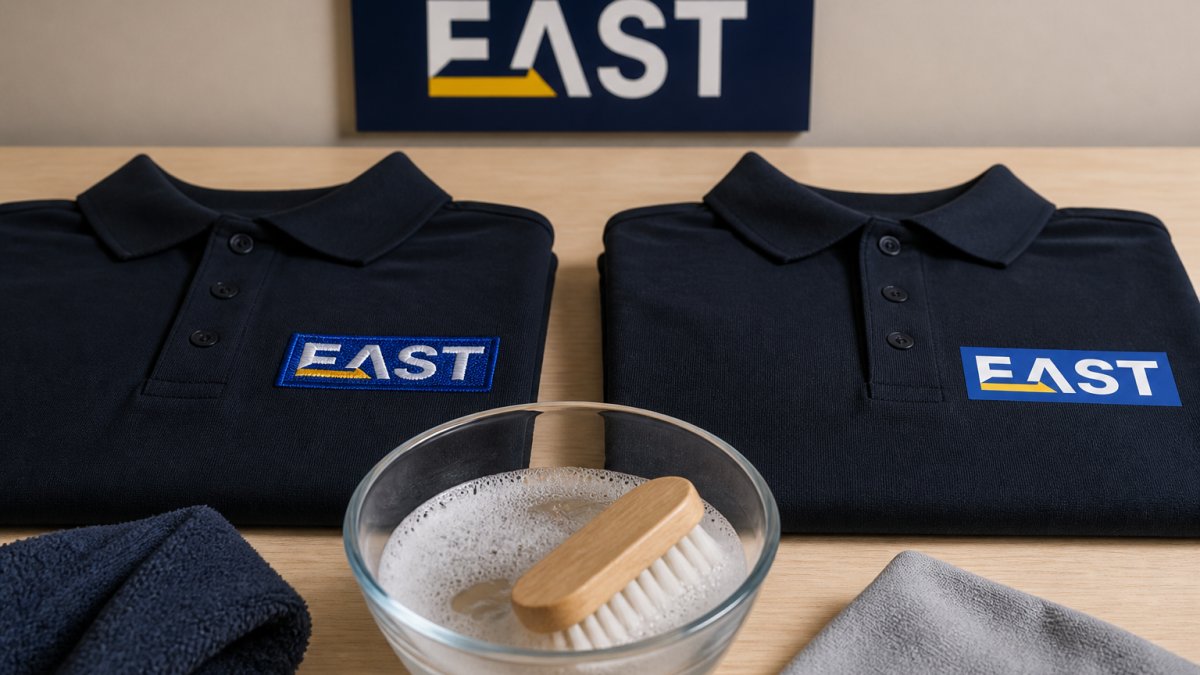
Embroidery and printing both put a logo on an apron, but they suit different designs. Embroidery stitches the design into the fabric and suits teams that want a polished look.
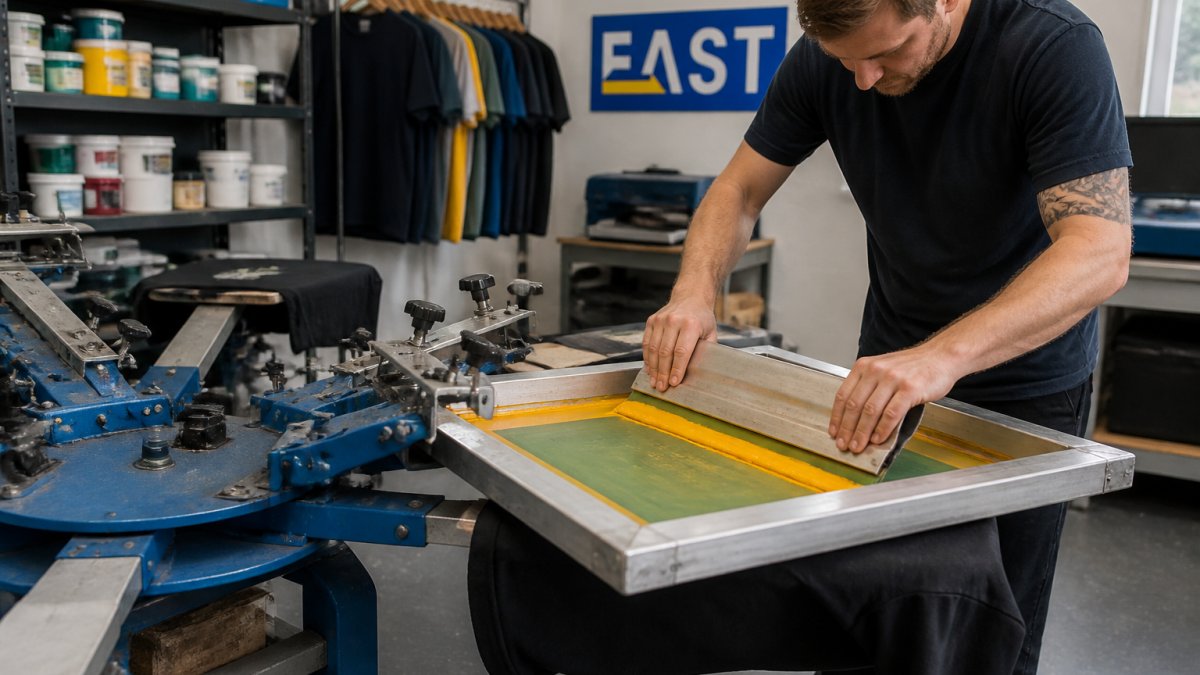
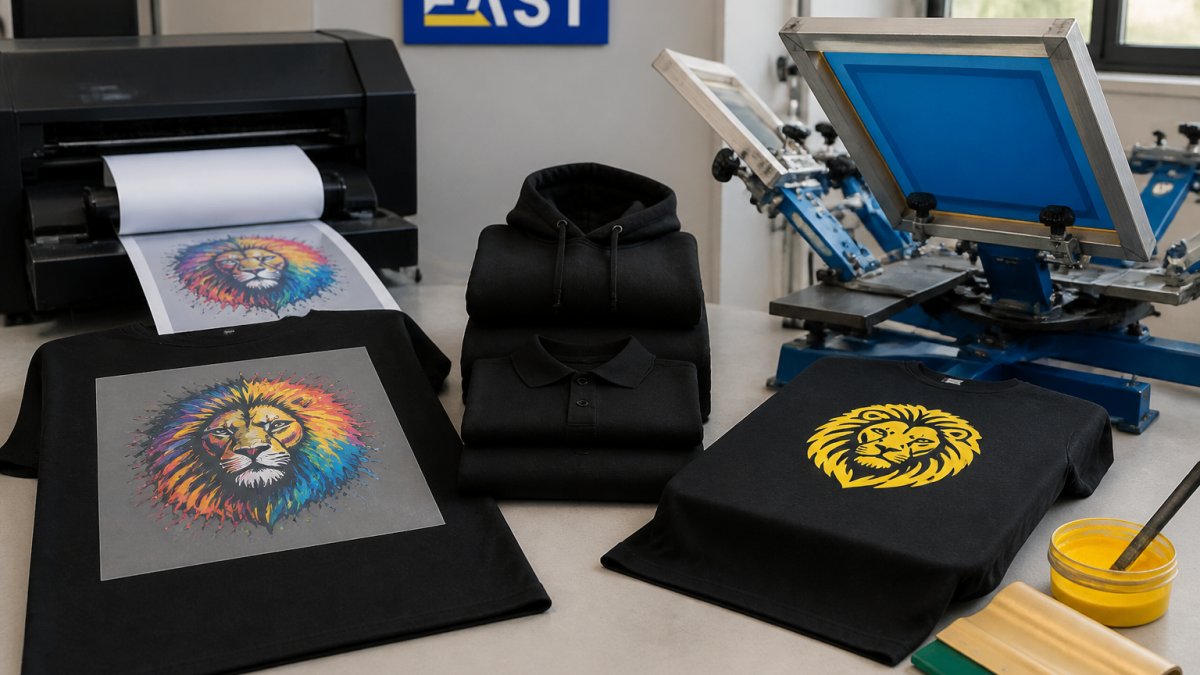
Printing, including DTF and screen printing, can suit full-colour designs and fine detail, and the wash method and fabric finish affect how long a print lasts.
If you need a full-colour design with lots of detail, printing can work well, provided you follow the care guidance and pick a fabric suited to the process.
You can see how logo embroidery is done in our guide to How to Get a Logo Embroidered on Workwear Step by Step. It covers what to expect from the process before you commit to a design.
Chef Aprons for Kitchen and Café Teams
Kitchen and café teams often need a matching look across aprons, chef jackets and other workwear. Matching garments make a team look organised, and they help customers recognise staff quickly.

A typical café setup pairs cotton waist or bib aprons with a sturdy chef jacket. Pieces like the Gildan SF500 Softstyle Midweight Hoodie show how a durable, decoratable garment can sit alongside aprons for a full team look. For a broader view of fabrics, safety and embroidery across chefwear, read Chef Uniforms: The Complete 2026 Buying Guide.
If you want the whole team to look sharp through daily washing, our overview of 7 Embroidered Chefwear Essentials for a Sharper Kitchen Team covers which pieces hold up best and how to decorate them. Branded Polo shirts also work well for front-of-house staff who wear aprons over a smart top.
How to Care for Embroidered Aprons and Request Your Quote
Good care helps any apron last. Wash aprons at the temperature shown on the label, and check the care label before drying.
For embroidered and printed workwear, the fabric and decoration method both affect how the garment should be cleaned. Our guide to Embroidered Workwear: Quality and Durability explains how embroidery lasts and how to look after it.
Pricing depends on quantity, design, decoration method and delivery date, so we cannot quote a fixed figure here. To get a figure for your team, visit Workwear East or email info@workweareast.co.uk with your apron style, quantity, logo file and required delivery date for a quote.
Frequently Asked Questions
Where can businesses find custom aprons in Ely?
Businesses in Ely can source custom aprons from specialist workwear suppliers that offer embroidery and printing, and many suppliers work remotely with local teams. Workwear East supplies branded embroidered and printed workwear from its base in Thetford, Norfolk. For pricing, which depends on quantity, design and delivery, email info@workweareast.co.uk for a quote or visit https://www.workweareast.co.uk/ to see the current range.
Can work aprons be embroidered with a company logo?
Yes, work aprons can be embroidered with a company logo. Embroidery suits logos with fine detail and multiple colours, and it holds up well to regular washing when the design is stitched into a suitable fabric. Printing is an alternative for full-colour artwork. Email info@workweareast.co.uk to discuss your logo and the apron style you need, and to request a quote.
How do you care for embroidered work aprons?
Check the care label first, as fabric and thread blends vary, and wash at the temperature it recommends.